- English
- French
- German
- Portuguese
- Spanish
- Russian
- Japanese
- Korean
- Arabic
- Greek
- German
- Turkish
- Italian
- Danish
- Romanian
- Indonesian
- Czech
- Afrikaans
- Swedish
- Polish
- Basque
- Catalan
- Esperanto
- Hindi
- Lao
- Albanian
- Amharic
- Armenian
- Azerbaijani
- Belarusian
- Bengali
- Bosnian
- Bulgarian
- Cebuano
- Chichewa
- Corsican
- Croatian
- Dutch
- Estonian
- Filipino
- Finnish
- Frisian
- Galician
- Georgian
- Gujarati
- Haitian
- Hausa
- Hawaiian
- Hebrew
- Hmong
- Hungarian
- Icelandic
- Igbo
- Javanese
- Kannada
- Kazakh
- Khmer
- Kurdish
- Kyrgyz
- Latin
- Latvian
- Lithuanian
- Luxembou..
- Macedonian
- Malagasy
- Malay
- Malayalam
- Maltese
- Maori
- Marathi
- Mongolian
- Burmese
- Nepali
- Norwegian
- Pashto
- Persian
- Punjabi
- Serbian
- Sesotho
- Sinhala
- Slovak
- Slovenian
- Somali
- Samoan
- Scots Gaelic
- Shona
- Sindhi
- Sundanese
- Swahili
- Tajik
- Tamil
- Telugu
- Thai
- Ukrainian
- Urdu
- Uzbek
- Vietnamese
- Welsh
- Xhosa
- Yiddish
- Yoruba
- Zulu
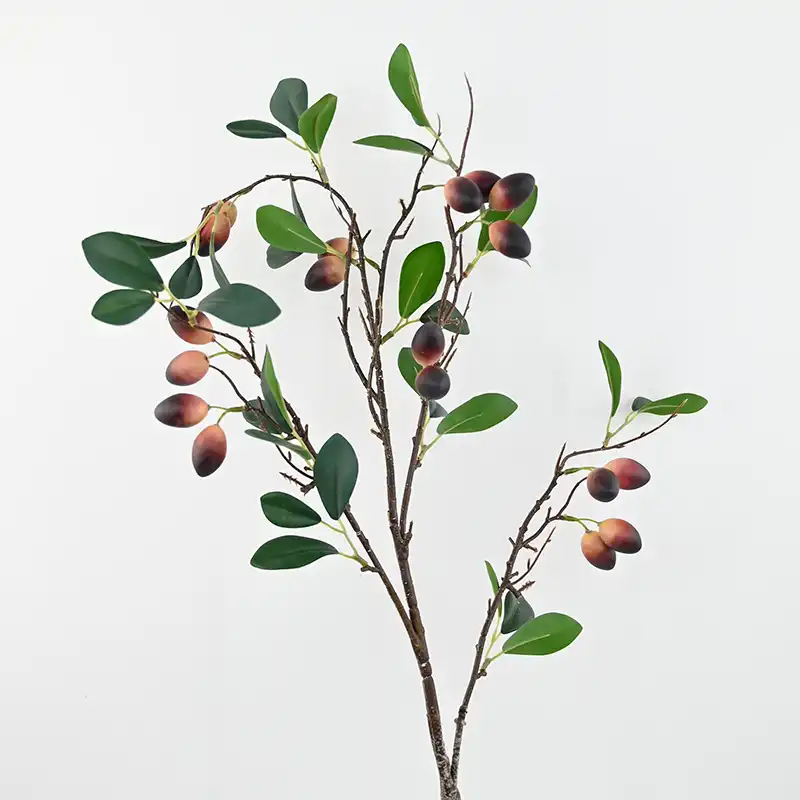
Modern interior design has been changed by Artificial Olive Branches, which provide a sophisticated option that blends the beauty of the Mediterranean with useful business benefits. When compared to live plants, these Artificial Olive Branch options offer stable quality, no care needs, and big cost savings for procurement professionals in charge of hospitality projects, event sites, or market distribution channels. The 97cm Artificial Olive Branch has become the standard in the industry. Its perfect size makes it easy to arrange on the floor without the unpredictable nature of natural materials. This piece walks you through the most important things you need to think about when looking for high-quality Artificial Olive Branches that meet business needs and look great in multiple setups.

Understanding Artificial Olive Branches: Symbolism, Types, and Benefits
Cultural Significance in Commercial Design
Across countries, olive trees hold profound meanings. They stand for peace, wisdom, and wealth. Because of these connections, they are very useful in business settings, high-end hotels, and stores where visual messages support brand values. These elements are used in hotel halls to create a warm, welcoming atmosphere and in office buildings to convey stability and growth. This symbolic depth gives the branches a value that can't be put into words, making Artificial Olive Branches more of a design choice than just an ornament.
Material Composition and Performance Characteristics
There are two main material methods used in modern Artificial Olive Branches. Fabric leaves on silk-based stems have a fine feel and move naturally, making them perfect for close-up displays in shops and small event spaces. The PE (polyethylene) structure and UV-resistant coatings make these branches last longer, making them ideal for business areas with a lot of foot traffic and lots of natural light. Many high-end manufacturers use both silk and PE for their stems, getting the best mix between a realistic look and long-lasting durability. A length of 97cm is the normal length for a floor vase and gives it enough visual impact in medium to large rooms.
Commercial Advantages Over Natural Alternatives
Artificial Olive Branches get rid of the problems that come with working with real plants. Teams in charge of procurement avoid having to pay for replacements, watering systems, and professional repair services over and over again. A single artificial installation keeps its look for years, while natural trees need to be replaced every few months and react differently to temperature control systems. This dependability is especially helpful for chains that run multiple sites, since having the same look at all of them strengthens brand recognition. Also, Artificial Olive Branch choices circumvent biosecurity rules that make it harder to ship farm goods internationally, which makes operations easier for global distributors.
Artificial Olive Branch vs Real Olive Branch: What B2B Buyers Should Know
Durability and Lifecycle Cost Analysis
In business settings, real olive trees usually look good for two to four weeks before someone needs to replace them. Low humidity and artificial lights in climate-controlled settings speed up the breakdown process. When looking at lifetime costs, Artificial Olive Branches clearly have advantages: a good synthetic branch that costs $15 to $25 will last for three to five years, while keeping up displays of fresh branches that look the same costs $300 to $600 a year in labour and repeated purchases. Large-scale systems greatly increase these savings. Every month, hotels change the arrangements in their lobby areas, spending thousands of dollars on materials and staff time. These costs shift toward one-time purchases of Artificial Olive Branch options.
Visual Realism and Material Innovation
Modern methods of making things have greatly reduced the reality gap. Premium Artificial Olive Branches have different coloured leaves on a single stem, changing fruit colours to show different stages of ripening, and rough bark surfaces with real wood grain patterns. The oval leaves have clear vein patterns and a rough, rubbery surface that looks a lot like real leaves. For casual onlookers, high-quality Artificial Olive Branches are almost impossible to tell apart from real ones when they are placed correctly and lit properly. This reality lets designers achieve Mediterranean styles without sacrificing authenticity. This is especially important for high-end settings where picky customers expect fine details.
Sustainability and Environmental Considerations
While synthetic materials raise concerns about the environment, full lifetime studies indicate that the results are not as simple as they seem. Using Artificial Olive Branches instead of real ones cuts down on pollution caused by shipping new branches over and over, water use for upkeep, and waste from getting rid of old, damaged natural materials. By following REACH and RoHS rules, companies that make high-quality Artificial Olive Branches don't use chemicals that are harmful to the environment. The longer service life spreads the effects of making them over many years of use. When making purchasing decisions, these things should be weighed against the organisation's sustainable goals, keeping in mind that Artificial Olive Branch solutions have different environmental impacts and aren't always better or worse.

How to Select the Best Artificial Olive Branch for Your Business Needs?
Essential Quality Indicators for Procurement Teams
To rate the quality of an Artificial Olive Branch, you need to take a thorough look at it from several different angles. Check the safety of the leaf attachment by slowly pulling on a single leaf. Good products can handle modest force without coming off. Check that the colours are the same across different samples from the same batch. Differences in colour suggest that quality control is inadequate. By frequently bending branches, you can check the stem's flexibility and the quality of the wire core. High-quality construction will keep its shape without cracking the plastic coating. For business setups, you must ask for technical details such as the results of UV stability tests and flame retardant certifications (BS5852 or NFPA 701).
Customization Options for Brand Differentiation
Leading makers offer a wide range of customisation options to meet the needs of any business. Colour matching services use Pantone references to ensure that all branches are aligned with established brand themes. This makes sure that all branded settings are consistent. Size changes are needed to suit special building features or display systems. Retailers can turn standard items into branded goods with private-label packaging. Companies that plan weddings and events benefit from colour systems that are consistent across all of their products. On the other hand, hospitality groups need exact specification matches for property improvements. When looking at different providers, you should look at their minimum order amounts for custom work, how long it takes to make samples, and how easy it is to make changes as design needs change.
Supplier Evaluation and Partnership Criteria
Common buying problems can be avoided by choosing trusted manufacturing partners. Give priority to sellers with their own production sites over trading companies that don't have control over production. Check your export experience by calling customer references from businesses in your target markets that are similar to yours. Ask for proof of compliance, such as foreign approval records and material safety data sheets. Compare your production capacity to the amount of work you need to be done and make sure you can increase output during busy times without lowering quality. Manufacturers that have been in business for 20 to 30 years have shown steadiness and accumulated technical knowledge that younger companies can't match.
Care, Maintenance Tips, and Longevity for Artificial Olive Branches
Cleaning Protocols for Different Material Types
Artificial Olive Branches can be maintained with little work, but it helps if you do it right. Gentle compressed air cleaning or dusting with a soft microfibre cloth once a month works well for silk-based branches in most business settings. If you get water on silk, it will damage the structure of the fabric and cause the colours to run. PE stems can handle a small mist of water to get rid of dust, but compressed air is still better. Installations that get a lot of use may need maintenance once a week, while covered show areas need maintenance every three months. When antistatic coatings are used during production, they greatly reduce the amount of dust that builds up on options that aren't covered.
Storage and Transportation Best Practices
By protecting the structure of the branch during shipping and storage, damage that changes the way it looks can be avoided. When you can, store branches in their original cartons, since makers make packaging that fits the exact dimensions of their goods. Keep stored items in climate-controlled areas, away from places with high temperatures that could damage glue bonds or make plastic stems break easily. When transporting, pack stems upright if the height of the container allows it. This will keep the leaf structures from being stressed. Event companies that give out equipment should set up regular check times between uses and get rid of any Artificial Olive Branches that are showing signs of wear before customers can see the quality dropping.
Extending Service Life in Commercial Applications
Strategic location makes Artificial Olive Branches last a lot longer. Place pieces away from windows that let in direct sunlight, because long-term UV exposure fades colours, even if they have protective coats. Keep your distance from air conditioners and heating vents, where changes in temperature and air flow speed up wear. If the branches are going to stay in one place, move the less noticeable stems to more obvious spots every so often so that the front-facing parts don't look old. For big installations, this rotation approach makes the show last twice as long. Because of the big differences in how things are used in different places, hospitality sites should set replacement plans based on how things look, not on set dates.
Where to Buy and How to Procure Artificial Olive Branches Efficiently?
Manufacturer Direct vs Wholesale Distribution Channels
The plan for buying things rests a lot on how often and how many times they need to be ordered. Manufacturers offer the best prices for big orders that are more than the usual minimum of 500 to 1000 units. This is good for large event companies, hospitality groups, and wholesalers. Because of these direct connections, customisation, control over specifications, and better prices are all possible. Regional suppliers are better able to help smaller buyers who need a wider range of products and lower minimum orders for each one. Online B2B platforms give you access to many suppliers at once, which makes it easier to compare prices and make sure that specifications are met. However, when you don't have established relationships with the suppliers, it's harder to ensure quality.
Sample Evaluation and Testing Procedures
Mistakes that cost a lot of money can be avoided by testing samples thoroughly. Ask for samples from several sellers that meet the same requirements so that you can directly compare them. Instead of testing items in an office, test them in real installation settings with real lights. Share samples with people who have a stake in the project, such as designers, building managers, and top executives, to get a range of opinions. Do accelerated wear testing by touching, cleaning, and putting items in environments that look like they will be used for a long time. Systematically write down what you find and use that information to make scoring systems for providers based on quality, realism, longevity, and cost. This structured way of working helps make objective choices when small differences could otherwise lead to disagreements among team members.
Negotiation Strategies for Bulk Procurement
Large purchases explain negotiations that have a big effect on the economics of the project. Instead of taking the first proposal, get competitive quotes from several qualified providers. Set up multiyear contracts where promises to buy a certain amount are traded for savings on prices that go up over time and first choice for when to make things. Talk about payment terms that are longer than the usual 30 days. This will help your cash flow for big projects that are done in stages. Ask for free replacement stock amounts to cover any possible quality or shipping problems. Set clear quality standards and the solutions that go with them to keep specifications from changing between orders. Manufacturers with a lot of experience expect buyers to negotiate professionally and respect buyers who show they know the market and have clear needs.
Conclusion
When choosing Artificial Olive Branches for business use, you have to weigh the need for good looks against practical concerns and financial limitations. When it comes to settings, the 97cm size works well in a wide range of places, from small shops to large convention halls. Quality 97cm Artificial Olive Branch last for years without needing to be fixed, and they keep their look over time, which supports the brand identity and design vision. Partnering with suppliers instead of just buying things is what successful procurement is all about. It means building relationships with makers who can meet changing needs through customisation, reliable delivery, and quick service. By using the evaluation methods and buying strategies described here, buyers can be sure to find Artificial Olive Branches that meet the needs of their current projects and the organisation's long-term goals.
FAQ
1. What materials create the most realistic artificial olive branches?
Premium branches have leaves made of silk cloth and structure parts made of PE. This gives them a real look and feel. The silk allows for natural movement and a smooth surface, and the PE stems make the branches last longer and keep their shape. High-end manufacturing methods use different shades of green in each leaf and change the colour of the fruit from green to blue-grey, mimicking the natural stages of ripening. Look for goods that say they have "real-touch" or "natural-touch" finishes, which mean they have more advanced surface processes.
2. Can artificial olive branches be customised for specific colour schemes?
Using Pantone matching systems, reputable makers let you change a lot of colours. Depending on how complicated the design is, customisation usually needs a minimum order quantity of 500 to 1000 units. The time it takes to develop something ranges from 15 to 30 days, and then there are production wait times. During talks about specifications, make sure that exact matching happens by showing physical colour samples or Pantone references.
3. What lead times should buyers expect for bulk orders?
Orders of standard products from stock usually ship within 7 to 15 days. Custom requirements take 20 to 40 days, which includes time for making samples and getting approval. Orders that come in during busy times (spring and late fall in many places) may cause delays of 10 to 15 days. Reliable providers keep extras of common designs in stock, which lets urgent needs be met more quickly.
Partner with Blossom Sparkling for Premium Artificial Olive Branch Solutions
Blossom Sparkling has its own factories that have been making professional-grade Artificial Olive Branches for over 30 years and sell them all over the world. Our 97cm Artificial Olive Branch is made with high-quality silk and PE materials, modern Real-Touch technology, and careful craftsmanship that makes it look and feel very real. We keep a lot of stock, which lets us produce items in 7–30 days and allows us to fully customise colours, sizes, and materials to meet your exact needs.
We make Artificial Olive Branches that meet the standards of RoHS, REACH, CE, and BSCI. We offer factory-direct prices, variable minimum order amounts, and expert advice for projects that need to buy a lot of items. Our partnerships with logistics companies help us offer competitive foreign shipping rates. To protect your investment, we offer a full quality guarantee and support after the sale. Email export@blossomsparkling.com to get examples, talk about customisation options, or get full quotes that are made just for your project. For a full list of our products, visit www.artificialflowerplants.com. This is where you can also learn more about how Blossom Sparkling can help you get the Artificial Olive Branch you need.
References
1. Anderson, M. (2021). Sustainable Commercial Interior Design: Material Selection and Lifecycle Analysis. New York: Commercial Design Press.
2. Chen, L., & Thompson, R. (2022). Artificial Botanicals in Hospitality Design: Quality Standards and Procurement Best Practices. London: International Hospitality Publications.
3. Martinez, S. (2020). The Business of Event Decoration: Supply Chain Management and Vendor Relationships. Chicago: Event Industry Publishing.
4. Roberts, J. (2023). Modern Material Science in Decorative Applications: Polymers, Textiles and Surface Treatments. Boston: Materials Research Institute.
5. Williams, K. (2022). Commercial Facilities Management: Maintenance Strategies for Decorative Elements. San Francisco: Facilities Management Association.
6. Zhou, H., & Patterson, D. (2021). Global Trade in Artificial Florals: Manufacturing Standards, Regulations and Market Trends. Singapore: Asia Pacific Trade Publishers.