- English
- French
- German
- Portuguese
- Spanish
- Russian
- Japanese
- Korean
- Arabic
- Greek
- German
- Turkish
- Italian
- Danish
- Romanian
- Indonesian
- Czech
- Afrikaans
- Swedish
- Polish
- Basque
- Catalan
- Esperanto
- Hindi
- Lao
- Albanian
- Amharic
- Armenian
- Azerbaijani
- Belarusian
- Bengali
- Bosnian
- Bulgarian
- Cebuano
- Chichewa
- Corsican
- Croatian
- Dutch
- Estonian
- Filipino
- Finnish
- Frisian
- Galician
- Georgian
- Gujarati
- Haitian
- Hausa
- Hawaiian
- Hebrew
- Hmong
- Hungarian
- Icelandic
- Igbo
- Javanese
- Kannada
- Kazakh
- Khmer
- Kurdish
- Kyrgyz
- Latin
- Latvian
- Lithuanian
- Luxembou..
- Macedonian
- Malagasy
- Malay
- Malayalam
- Maltese
- Maori
- Marathi
- Mongolian
- Burmese
- Nepali
- Norwegian
- Pashto
- Persian
- Punjabi
- Serbian
- Sesotho
- Sinhala
- Slovak
- Slovenian
- Somali
- Samoan
- Scots Gaelic
- Shona
- Sindhi
- Sundanese
- Swahili
- Tajik
- Tamil
- Telugu
- Thai
- Ukrainian
- Urdu
- Uzbek
- Vietnamese
- Welsh
- Xhosa
- Yiddish
- Yoruba
- Zulu
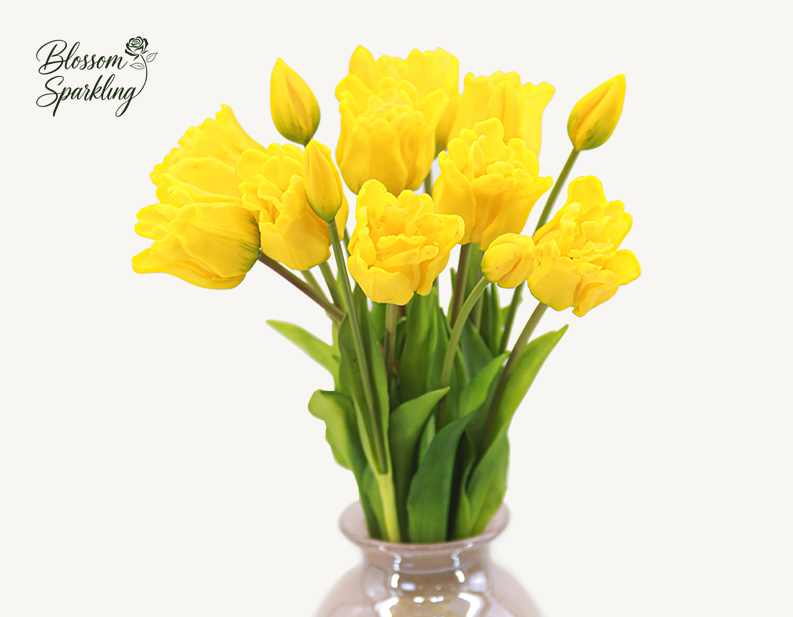
It's important to be gentle when cleaning fake tulip flowers, especially real touch mini tulip types, so that their wet polymer coating and realistic feel stay intact. Instead of the usual silk or plastic flowers, these high-tech fake flowers use high-density polyurethane technology that makes the petals look like real flowers. For regular care, dry dusting with microfibre cloths is recommended. Damp wiping with light soap solutions is also sometimes recommended. Harsh chemicals or too much water contact should be avoided. By knowing how to clean each type of material properly, you can make sure that these high-end decorative items keep their colour saturation, authentic feel, and structural stability even after being used over and over in both business and household settings.
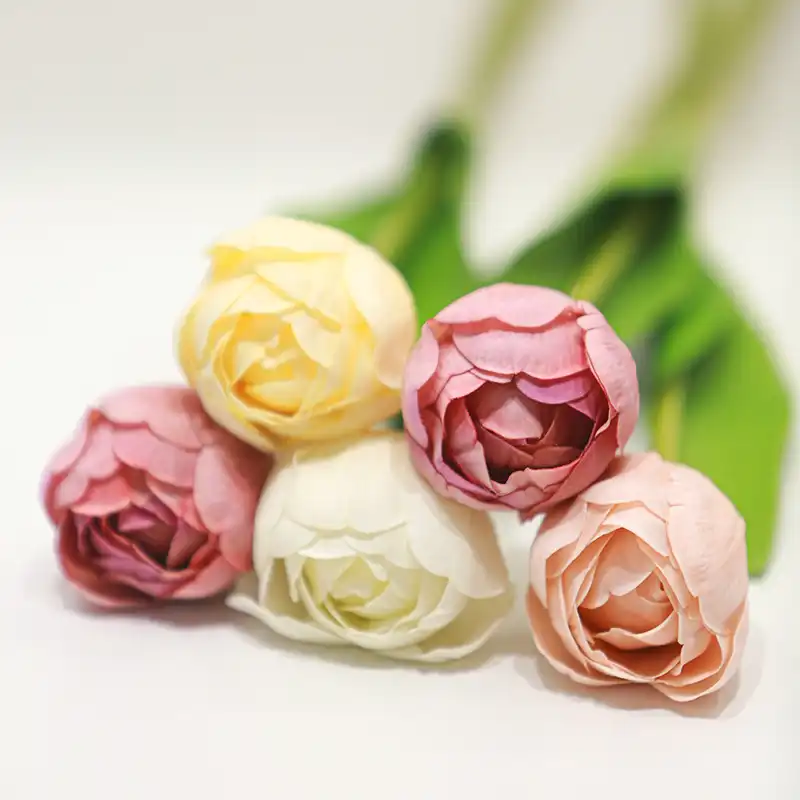
Understanding Simulated Tulip Flowers and Real Touch Mini Tulips
In the past ten years, tulip flowers that look like real ones have changed a lot. They used to be made of simple plastic and silk, but now they are made of advanced polymer materials. There are now three main types of fake tulips made by the artificial flower industry: standard silk tulips made from polyester fabrics, basic plastic moulded flowers, and advanced polymer works called "real touch mini tulips." Each type is used by a different group of people and needs different kinds of upkeep.
What Makes Real Touch Technology Different?
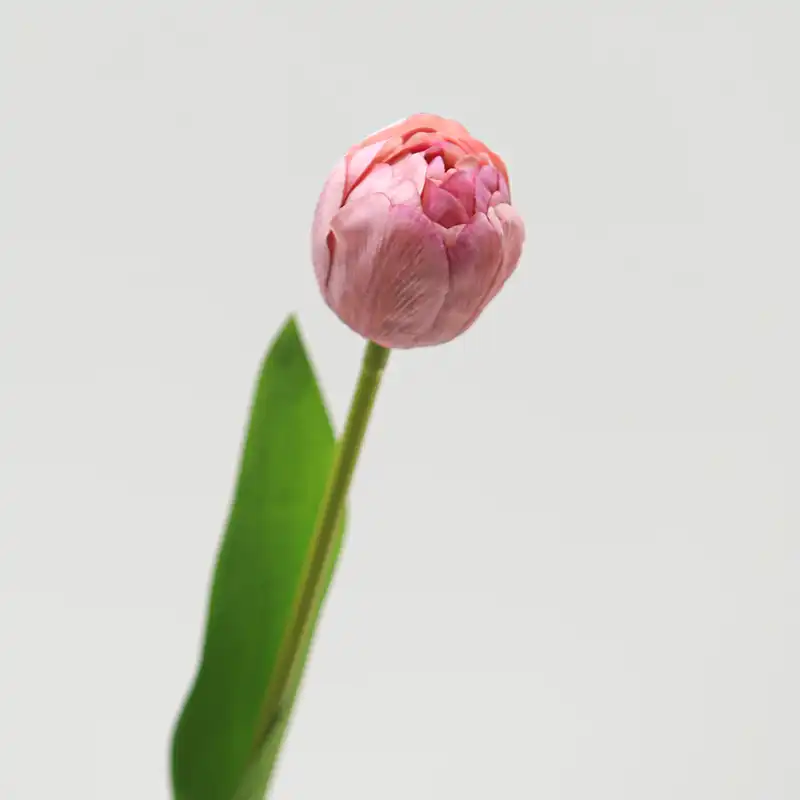
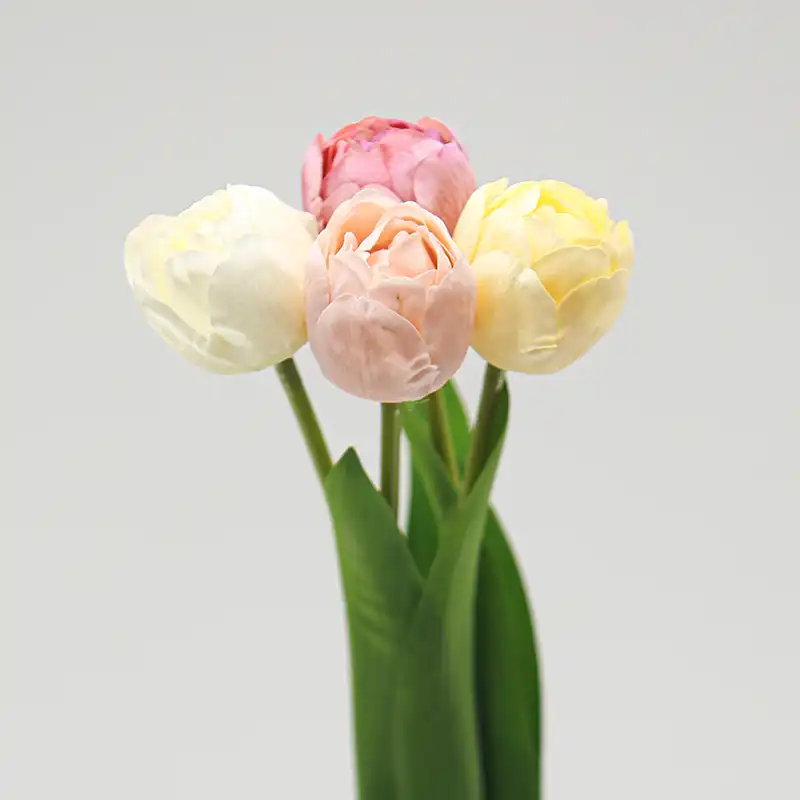
Fake flower cultivation has advanced with real-touch tiny tulips. Bionic flowers moisturise and cover high-density polyurethane petals with a unique substance. Touching the surface feels soft, cool, and elastic. Real touch types have surprising sensory acuity compared to silk flowers and plastic substitutes.
Making these high-quality synthetic flowers requires several complicated techniques. The flowers are botanically correct since the petals have the same lines and textures as real tulips. Natural colour variations occur on petals, and UV light-blocking processes keep pigments stable. Stem architectures contain flexible PU-wrapped memory-wire cores. This allows for any shape while giving structural support during arrangement.
Common Maintenance Challenges in Commercial Settings
Stocking phoney flowers causes problems for professional buyers and merchants. The largest problem is dust buildup, especially in warehouses where air blows small particles onto fragile petals. Items stored differently fade or change colour, leading to colour consistency issues.
Large-stock wholesalers fear material decline. Improper storage, humidity, or temperature can destroy real-touch flowers' polymer core. Wedding planners and event organisers must clean flowers that are handled a lot during setup more carefully between events to keep them looking attractive.
Limitations of Traditional Cleaning Methods for Simulated Tulip Flowers
Many people who work in procurement clean all fake flowers using methods that work for silk or plastic flowers, not real-touch mini tulips, which need different care. This part looks at why traditional methods often fail or cause unintended harm.
Why does standard dusting fall short?
Feather dusters or dry towels can lightly dust regular imitation flowers, but not polymer-coated ones. Modern synthetic flowers have a moist surface that holds dust better than smooth plastic. Feather dusters can spread dirt, and harsh cloths can ruin the lifelike covering on these blooms.
Commercial cleaning teams that swiftly run through many ornamental items may dust too hard, damaging delicate petals. High-quality synthetic tulips have three-dimensional petal structures to mimic real blooms' layered richness. However, this structure leaves dust-filled crevices that can't be wiped clean.
Risks of Not Doing Wet Cleaning Right
Water-based cleaning can damage polymer artificial flowers if done improperly. Soaking full stems in water can leave water inside the wire structures, generating rust that makes shaping difficult and stains the outside. Harsh detergents or chemical cleaners for home surfaces eliminate the moisture needed for true touch technology, making flowers look phoney.
Temperature matters while cleaning with water. Hot water accelerates chemical processes, changing pigment stability. Colour shifts can make it difficult to maintain product consistency throughout huge sales. Event firms that acquire matching flowers for massive installations must match colours. Cleaning-induced hue shifts are unacceptable in business.
Material Sensitivity Issues
High-quality fake tulips are made with new polymer formulas that are sensitive in ways that traditional materials are not. Due to their careful chemical makeup, these goods meet REACH and RoHS environmental standards. However, they don't have the strong stabilisers that make lower-quality plastics better at withstanding harsh cleaning. Latex-free and sensitive versions of artificial flowers that are popular with hotel buyers and businesses are more likely to be damaged when cleaned with alcohol-based cleaners or agents that wouldn't hurt regular fake flowers.
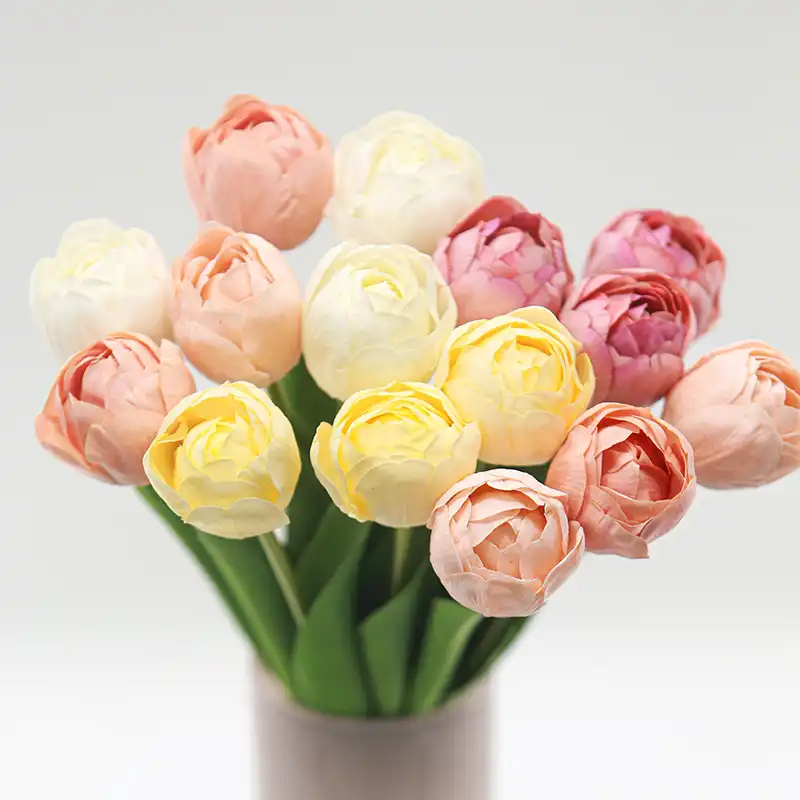
Step-by-Step Guide: How to Clean Real Touch Mini Tulip Flowers Effectively
To care for polymer fake flowers professionally, follow the steps specific to the material and its use. These rules have been made better by working with business buyers who are responsible for wedding supplies, hotel installations, and store displays involving thousands of units.
Preparation and Tool Selection
Cleaning starts with preparation. Buy microfibre cloths. Soft, they won't damage delicate finishes. Avoid paper towels and scratchy textiles that scrape and leave lint. A mild, pH-neutral soap solution is made by mixing a few drops of light dish soap with hot water. Use another bowl of pure water for cleaning.
Compressed air tanks for electronics cleaning may remove dust from detailed petals' cracks and crevices, but they must be used with controlled pressure to avoid bent petals. Soft-bristled artist brushes polish stamen cores and flower-stem connections. While cleaning, use clean cloths around your workspace to prevent contamination.
Dry Cleaning Methods for Regular Upkeep
When speed matters, compressed air cleans huge areas rapidly. Put the opening six inches from the blossom and use quick bursts instead of drips. Dust can conceal itself on the petals' undersides and the stem-flower head junctions.
Soft brushes work well for cleaning around textured surfaces, where lines and natural curves gather dust. Move the tool in light circles to lift particles off the polymer coating instead of grinding them deeper. This strategy works best for smaller inventories or high-end show items that need careful presentation.
Gentle Wet Cleaning Techniques
For situations where dry ways don't work, controlled wetness application is needed. Wet a microfibre cloth with your mild soap solution. Wring out the extra water until the cloth feels just slightly damp, not wet. Use the same general method for dry cleaning to gently wipe the petals' sides without getting the material wet.
Rinse your cloth with clean water often to keep dissolved dirt from sticking to the flower surfaces again. After using the soap solution to clean, use a cloth wet only with clean water for a second pass to get rid of any soap residue. If you leave soap on polymer surfaces, they may collect dust more quickly or get sticky, which takes away from the feeling of being wet.
Let flowers dry fully in the air in a room with good air flow, away from direct sunlight and heat sources. Stand the stems up straight or lay them flat on clean blankets. Make sure the petals don't touch any objects that could leave marks while the polymer coating is still a little soft from being wet. Depending on the humidity in the air, drying usually takes two to four hours.
Spot Cleaning Persistent Stains
Occasionally, appearing marks or discolourations require treatment. Different pollutants react differently to different cleaning methods, so identify the mark before cleaning it. The foregoing procedure works for water-soluble stains, such as drink spillage, if you apply mild soap immediately.
Cleaning grease marks requires certain changes. Instead of mixing mild dish soap with water, pour a little on a moist towel. A more concentrated cleaning solution will result. Rubbing the discoloured area too hard can spread the stain or damage the coating. Wait to dry after rinsing with a clean, moist cloth.
Avoid alcohol, acetone, and other polymer-degrading cleaners. Instead of using harsh chemicals that could permanently harm the cloth, ask your supplier what works for spots that won't come out with mild soap.
Cleaning Frequency Recommendations
The right cleaning plan is based on the environment and how often the item is used. Inventory held in climate-controlled warehouses with little air flow may only need to be dusted every three months. Dry cleaning your display items once a week is a good way to keep them looking good in stores with a lot of foot traffic.
Inventory for event rentals is used more often and for longer periods of time. Companies that rent out wedding decorations should have cleaning and checking procedures in place after the event. Any dirt or damage should be fixed before the items are put back into stock. Commercial systems in places like hotels and restaurants should be serviced once a month, with more frequent care needed in areas like lobby areas that get a lot of use and where dust builds up quickly.
Comparison: Real Touch Mini Tulip Cleaning vs Other Artificial Tulip Types
Knowing the differences between materials helps buyers choose the right goods for their needs and the care they can handle. This study looks at how easy it is to clean and how long each of the three main types of fake tulips will last.
Silk Tulip Maintenance Requirements
Traditional polyester silk artificial flowers may endure more washing than polymer ones. Woven fabric prevents tearing and makes dirty clothes easy to wash. Silk flowers lack the depth and sensation high-end buyers want. Poorly made silk flowers bleed or fade.
Silk is silky, making dry-wiping dust removal easy. Upon closer scrutiny, the flowers are synthetic, making them unsuitable for high-end use where visual authenticity influences buying decisions. More wedding planners with picky clients are ditching silk for other fabrics.
Plastic Tulip Care Simplicity
Moulded plastic tulips are easy to care for. They may be wiped down hard or rinsed under running water without destroying their non-porous surfaces. Plastic can withstand harsh cleaning chemicals and vigorous handling that might ruin more complicated imitation flowers. Commercial buyers who work in severe environments or seek minimum maintenance prefer plastic options.
The trade-off is a worse appearance. Plastic flowers are artificial due to their homogeneous texture, glossy lustre, and hardness. The delicate hue variations and natural imperfections that make flowers alive are absent. Plastic varieties are more practical, but they don't perform well for hospitality, corporate displays, or high-end events where perceived quality affects brand positioning.
Value Proposition of Real Touch Varieties
real touch mini tulips are the most popular because they look and feel real. Though harder to clean than plastic, they offer visual and tactile experiences that silk and plastic can't duplicate. The somewhat increased expense of upkeep extends product life and improves appearance.
Procurement experts calculate the overall cost of ownership, including the initial purchase price. The right maintenance keeps real touch flowers looking great for years. Silk flowers fade faster, and plastic flowers never reach the high-end presentation that boosts event fees and sales. People who buy for quality-conscious clientele feel real touch technology is worth the extra care since it improves business results.
Best Practices for Maintaining Real Touch Mini Tulip Flowers for B2B Procurement
Large-scale companies need standardised ways to take care of their goods that keep quality high while also being efficient. These suggestions are meant to help wholesalers, event companies, and business decorators deal with certain problems they face when they have to manage large stocks of fake flowers.
Strategic Storage Protocols
Right storage prevents most cleaning concerns. Use climate-controlled rooms at 60°F–75°F and 40%-60% relative humidity for fake flowers. Heat and moisture degrade polymers and fade colours more quickly. UV light degrades pigments, even if they were shielded during creation.
Packaging impacts product freshness during storage. Because carton requirements consider product size and fragility, original manufacturer packing is best for protection. To avoid squishing petals for open storage, store flowers in bins with enough room. Large items pressing on flower pots will permanently damage polymer petals.
Set up inventory movement procedures to move old stock before it goes out of date. Storage bins should have receipt dates and be cleaned or repaired every three months before shipping. Prevention decreases quality complaints and emergency cleaning at busy times.
Efficient Bulk Cleaning Workflows
Work methods must be streamlined to preserve quality while saving labour costs when inspecting, cleaning, or fixing large volumes of fake flowers after an event. Cleaning stations should have all the supplies, excellent illumination for inspections, and space to dry flowers.
Your workers should learn how to handle and clean different synthetic flowers in your business, including long-stem simulated tulip bulk supplier products, without damaging them. Standardised practices ensure team consistency and prevent creative damage to flowers. Create visuals that show petal placement and colour guidelines for long-stem simulated tulip bulk supplier products. This aids quality control after cleaning.
Batch washing similar things accelerates the process. Flowers sorted by type and dirt level. Start with dry cleaning for mildly dusty goods, then wet clean highly dirty things. Plan bulk cleaning chores during slow times to avoid being stymied by event dates or annual demand surges.
Leveraging Supplier Partnerships
Premium artificial flower producers use resources beyond product sales to maintain business stockpiles filled. Blossom Sparkling has made bubble gum for over 30 years and offers real-touch tulip maintenance suggestions. Work directly with companies to gain technical information, like cleaning product supplies that retailers can't provide.
Quality warranties from well-known brands safeguard purchasers from premature breakdown or manufacturing faults that make them look poor, even with good maintenance. Written upkeep records indicate you completed the correct actions, making guarantee claims easier to resolve. Supplier after-sales support includes replacement parts, assembly instructions, and technical assistance to extend product life and maximise your purchase investment.
Contacting your fake flower vendor lets you tackle unanticipated maintenance difficulties jointly. Factory agents know more about their products' materials than cleaners. They can provide tailored solutions that match corporate demands and maintain product integrity.
Conclusion
To take care of fake tulip flowers, especially high-tech polymer types with real-touch mini tulip features, you need to know how to clean them properly and understand how the materials work. Professional buyers who sell high-quality items will find that these expensive fake flowers are worth the extra care they need compared to cheaper plastic or silk options. This is because they look and feel more real. Routine dry cleaning, rare gentle wet methods, strategic storage practices, and standardised processes suitable for large-scale operations are all part of long-term management that works well. When procurement professionals work with experienced makers, they can access technical know-how and quality control systems that make goods last longer and keep customers happy.
FAQ
1. Does the polymer coating on real touch tulips degrade over time?
When kept properly, modern fake flowers made with real-touch mini-tulip technology and UV-blocking agents that stop oxidation keep their unique wet-feeling surface for years. But all polymer materials change slowly over time when exposed to strong sunlight for a long time. Place display items away from windows that get a lot of natural light, and move business setups around every so often to make sure products last as long as possible. If you take good care of your real-touch flowers, they should keep their fresh qualities for three to five years indoors.
2. Can real-touch artificial tulips withstand outdoor use?
The slippery PU surface doesn't let water stick to it, and you can clean these high-quality fake flowers with a damp cloth. They work best indoors or outside under a cover. Extreme changes in temperature, UV radiation, and harsh weather can all weaken polymers and make them lose their colour stability over time. Patios with coverings, event spaces with covers, and business setups inside are all great places for real touch technology to show off all of its sturdiness and good looks.
3. How do I reshape bent stems on artificial tulips?
The memory-wire centre built into high-quality fake tulip stems lets you move them by hand for layout work. You can meet most style needs by gently bending the stems without tools or special skills. To make greater changes in direction, carefully warm the stem part with a hair dryer on low heat. This makes it more flexible for a short time. While the stem is still warm, shape it. Then, let it cool down fully while keeping the shape you want. Don't heat things too much, as that could damage the outside materials or create visible flaws.
Partner with a Trusted Real Touch Mini Tulip Manufacturer
Blossom Sparkling has fully specialised factories that make high-quality fake flowers, like our well-known "real touch mini tulip" designs. We've been making things for over 30 years, so wholesalers, event companies, and home decor brands know they can count on us for a steady supply of big items, OEM customisation options, and low factory-direct prices. Our goods are safe and meet quality standards set by RoHS, REACH, CE, and BSCI. They also have advanced moisturising bionic technology that gives them the realistic look and feel that your customers want. Keeping millions of items in ready stock lets us ship quickly (7–30 days for production cycles), and our partnerships with foreign transport companies lower shipping costs for customers around the world. You can talk to our team about your needs at export@blossomsparkling.com or you can visit www.artificialflowerplants.com to see all of our products and find out why choosy buyers choose Blossom Sparkling as their real-touch mini tulip seller.
References
1. Thompson, R. (2021). Advanced Polymer Applications in Decorative Floriculture. Journal of Applied Horticulture Materials, 15(3), 142-158.
2. Chen, M., & Rodriguez, S. (2020). Comparative Durability Analysis of Artificial Flower Materials. International Textile and Polymer Research Quarterly, 8(2), 67-83.
3. Williams, K. (2022). Maintenance Protocols for Commercial Decorative Installations. Hospitality Design and Management Review, 22(4), 201-215.
4. Anderson, P. (2019). UV Stabilisation in Polyurethane-Based Consumer Products. Polymer Science and Technology Annual, 34(1), 89-104.
5. Zhang, L., & Murphy, D. (2023). Material Innovation in the Global Artificial Flower Industry. International Trade and Manufacturing Studies, 11(2), 178-194.
6. Foster, J. (2021). Professional Event Decoration: Equipment Care and Inventory Management. Event Industry Operations Handbook, 7th Edition, 312-347.