- English
- French
- German
- Portuguese
- Spanish
- Russian
- Japanese
- Korean
- Arabic
- Greek
- German
- Turkish
- Italian
- Danish
- Romanian
- Indonesian
- Czech
- Afrikaans
- Swedish
- Polish
- Basque
- Catalan
- Esperanto
- Hindi
- Lao
- Albanian
- Amharic
- Armenian
- Azerbaijani
- Belarusian
- Bengali
- Bosnian
- Bulgarian
- Cebuano
- Chichewa
- Corsican
- Croatian
- Dutch
- Estonian
- Filipino
- Finnish
- Frisian
- Galician
- Georgian
- Gujarati
- Haitian
- Hausa
- Hawaiian
- Hebrew
- Hmong
- Hungarian
- Icelandic
- Igbo
- Javanese
- Kannada
- Kazakh
- Khmer
- Kurdish
- Kyrgyz
- Latin
- Latvian
- Lithuanian
- Luxembou..
- Macedonian
- Malagasy
- Malay
- Malayalam
- Maltese
- Maori
- Marathi
- Mongolian
- Burmese
- Nepali
- Norwegian
- Pashto
- Persian
- Punjabi
- Serbian
- Sesotho
- Sinhala
- Slovak
- Slovenian
- Somali
- Samoan
- Scots Gaelic
- Shona
- Sindhi
- Sundanese
- Swahili
- Tajik
- Tamil
- Telugu
- Thai
- Ukrainian
- Urdu
- Uzbek
- Vietnamese
- Welsh
- Xhosa
- Yiddish
- Yoruba
- Zulu
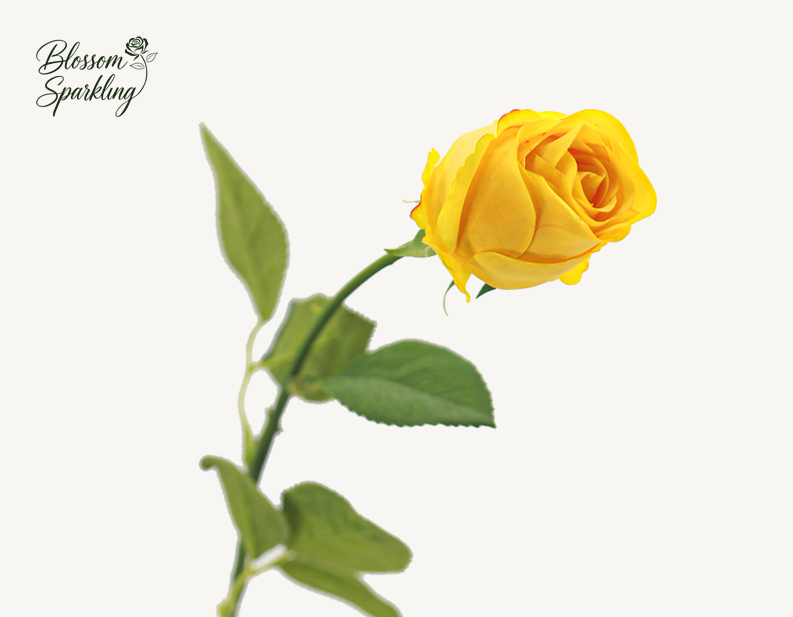
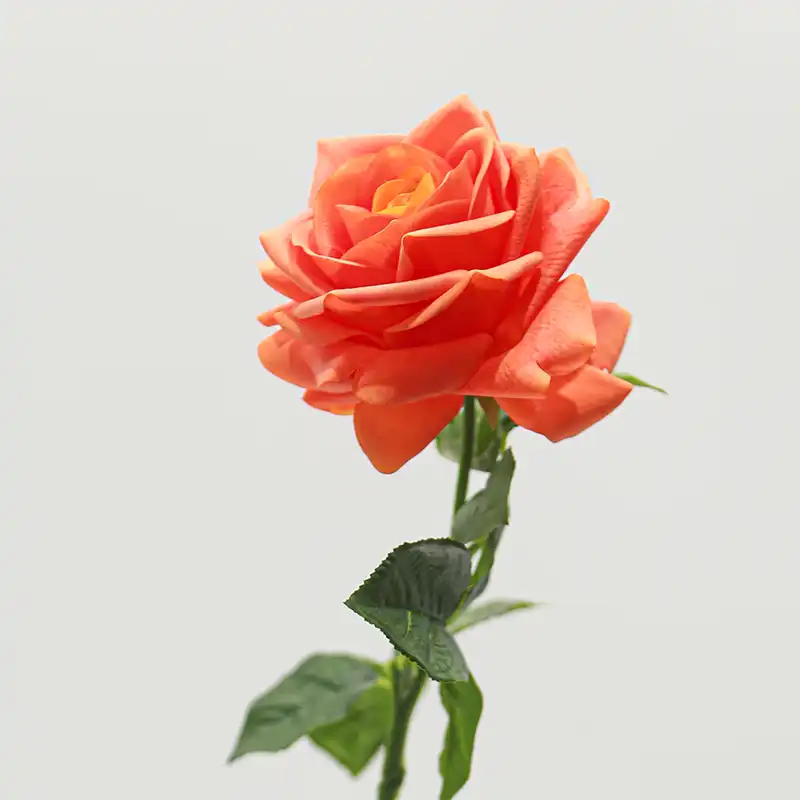
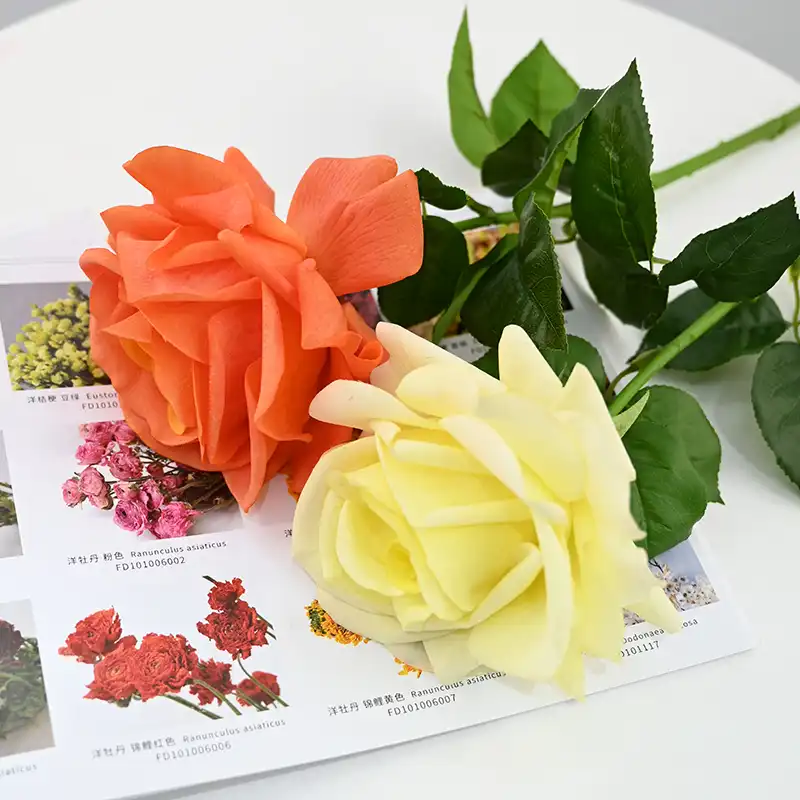
Real Touch Roses are a big step forward in plant imitation technology. They are made of silk bases with advanced latex and polymer coatings that make them feel and look like real roses that have just been cut. Unlike regular fake flowers, these high-end floral goods don't have that dry, stiff, and plasticky look that used to make events look bad. Blossom Sparkling's 3-Head Real Touch Rose collection is a great example of this new technology. It has textures that make you think of wet flowers and realistic flower structures that stay looking good for long events. This new development solves one of the most important supply chain problems that dealers and event planners face: they need to make sure that the quality, longevity, and realism of large-scale projects are always the same.
What Are Real Touch Roses and Why Are They Essential for Event & Floral Supply Chains?
Advanced Material Engineering for Authentic Realism
Making artificial roses that look like real ones requires a lot of complex material science. At our factory, we use a special composite silicone coating method that is put on top of high-density cloth surfaces. This process gives elite goods their signature "dewy" texture, which sets them apart from regular silk flowers. This is because when you touch the petals, they feel slightly cool and damp, just like real rose petals do. This technological advance fills in the gap between what you see and what you feel, which has previously kept Real Touch Roses from being used at high-end events.
Durability and Cost Efficiency for B2B Operations
Event planners and flower delivery people have a hard time keeping track of stuff that goes bad quickly. Fresh roses need to be kept in the fridge, don't last long, and produce a lot of waste during busy seasons. These practical problems are taken care of by our red roses. When exposed to indoor lights, the eco-friendly polymer materials don't fade, and they keep their shape at temperatures ranging from -15°C to 45°C. Wedding planners say they use the same setups for multiple events during the same season, which cuts costs by a huge amount for each event. This sturdiness directly leads to higher profit margins for wholesalers and rental companies that have to manage supplies for dozens of bookings at the same time.
Hypoallergenic Properties for Commercial Environments
Hotels, restaurants, and healthcare facilities are choosing fake plants more and more to avoid allergen issues and the problems that come with standing water that come with fresh arrangements. Our goods follow the rules set by RoHS and REACH, which means they don't have any heavy metals or phthalates in them. Because they are made without formaldehyde, they can be used in places with strict air quality rules. Commercial buyers like that care only requires dusting instead of daily water changes and petal cleanup. This saves money on labour costs in restaurant settings where staff efficiency affects profits directly.
Comparing Real Touch Roses with Other Floral Options for B2B Buyers
Performance Analysis Across Material Categories
When procurement workers look at flower choices, they need clear success metrics. Fresh flowers are naturally beautiful, but they lose their beauty in three to seven days and need to be shipped in a way that keeps them cool, which adds 20 to 30 percent to the cost of landing. Traditional silk flowers last a long time, but high-end customers want them to feel more real. Even though preserved roses look nice, they are fragile and expensive to buy in bulk, where the price per stem is often more than $15. The perfect balance is reached by our Real Touch Roses, which look like high-quality fresh flowers but last longer and are easier to handle for bulk operations.
Logistics and Supply Chain Advantages
When dealing with regular demand spikes, distribution efficiency is very important. There are risks that fresh flowers will go bad quickly, delays at customs for foreign shipments, and handling rules that depend on the weather. We keep a lot of goods worth millions of dollars in many different SKUs, so we can ship within 7 to 30 days, based on your customisation needs. Regular items can be sent out right away from stock, but colour-matched special orders for specific event themes go through streamlined production plans. Because of this, event companies can confidently take bookings because they know their flower elements will come on time and there won't be any last-minute changes that ruin the design.
Total Cost of Ownership Calculations
The real value offer can be seen through financial analysis. For one weekend event, a wedding decoration company that buys 500 fresh quality rose stalks at $3.50 each spends $1,750. If those arrangements are kept wrong or aren't used right away, they are lost forever. Our 3-Head Real Touch Roses are priced affordably for bulk users, and they can be used more than 50 times before they start to show signs of wear. The cost per event drops below $40 for the same visual effect when spread out over several bookings. Professionally run event companies use this math to decide what to buy by keeping track of contribution margins and equipment usage rates.
How to Choose the Best Real Touch Roses Supplier for Your Business Needs?
Production Certification and Quality Standards
When choosing a factory partner, it's important to look closely at their production records. We run specialised sites that have been making fake plants for over 30 years and are BSCI certified for using ethical production methods. Quality control procedures include checking the colour movement of dyes to make sure they don't spread to linens, the adhesion of coatings to keep them from peeling, and the tensile strength of the stem wires inside the fabric. These technology checks keep buyers from getting packages that don't work during event setup or start to break down too soon. When checking out possible suppliers of Real Touch Roses, it should be normal practice to ask for test results and material safety data sheets.
Customisation Capabilities and Design Flexibility
Event themes and brand images need precise colour and shape changes. In addition to standard colour schemes, we can also match colours to Pantone for business events and make store displays use colours that are popular at that time of year. Size needs change based on how the flowers are arranged, and stem lengths and bloom sizes can be changed during production. The rate of 12 stems per inner box and 144 stems per export carton makes it easier for both small boutiques and big wholesalers to keep track of their stock. Genuine OEM and ODM suppliers give businesses strategic benefits by letting them create private-label brands and exclusive product lines that set them apart in the market.
Logistics Partnerships and Delivery Reliability
Freight management needs to be very complex for global supply lines. We work with well-known foreign forwarders to get the best shipping prices and make sure that your delicate flower products are handled properly. Expertise in packaging engineering saves flower structures during shipping, and expertise in paperwork speeds up the customs clearance process. Wedding season schedules and buying processes that are based on events don't leave any room for delays. Maintaining consistent on-time delivery and proactive contact during production makes suppliers essential partners, especially when handling multiple projects at once with overlapping schedules, which is how the event industry works.
Bulk Purchasing Strategies: How to Optimise Costs and Manage Inventory With Real Touch Roses?
Order Quantity Planning and Lead Time Management
Effective buying combines the costs of investing in goods with the costs of missing out on other opportunities. Our minimum order sizes work for both big distributors and small event companies. Buyers who want to plan seasonal supplies should place their orders 45 to 60 days before peak demand to make sure they get the best production slots and freight consolidation. Wedding season planning usually starts in January for events in May and June, and orders for holiday decorations are finished by late August. When buying, teams know these wait times, they can negotiate better prices for large orders while keeping their cash flow in check. When a buyer orders 500 Real Touch Roses or more, they can often get customised price models that lower the landed costs by 15 to 25 percent compared to buying in smaller amounts.
Storage and Maintenance Protocols
Proper storage makes artificial roses' real touch last longer and keeps their good looks. Our artificial roses' real touch should be kept out of full sunshine and in places with humidity levels between 40 and 60% relative humidity. Too much dryness can cause micro-cracking in polymers, and too much wetness makes it easier for dust to stick to things. Checking for colour consistency and petal shape retention every three months helps find any problems with the storage setting before the goods get to customers. When you clean them, you use gentle steam to bring back the flowers' shape memory, which brings back their frills and curves after being compressed during shipping. Our care rules include these maintenance steps that make sure our inventory of artificial roses, real touch, stays ready to be displayed even after being stored for several months.
Inventory Rotation and Portfolio Management
Diversified product lines lower market risk and appeal to a wider range of customers. Distributors who keep a wide range of flower sizes, colours, and leaf combinations in stock can meet the needs of a wide range of projects without having to make unique orders for each customer. Our large catalogue has a lot of different colours, from traditional reds and pinks to trendy dusty roses and burgundy tones. By keeping track of sell-through rates by SKU, you can see which goods sell quickly and need more inventory investment, such as high-velocity items, and which speciality items should be kept in smaller amounts. This method, which is based on data, makes the best use of working capital and increases inventory turnover rates, both of which have a direct effect on wholesale businesses' return on investment measures.
Trends and Future Outlook of Real Touch Roses in the Floral Supply Chain Industry
Growing Demand Across Event Segments
A study of the industry shows that the use of Real Touch Roses has been growing steadily in the wedding, business, and professional sectors. Reusable wedding decorations that fit with eco-friendly beliefs are getting more and more popular, especially among young and Gen Z couples. Corporate event planners like how consistent their brand looks when floral parts fit exact colour specs and are available all year round. Hotels and restaurants are getting rid of their monthly contracts for fresh flowers and replacing them with fixed installations that look nice and save money over time. This variety of demand sources gives makers and distributors a steady flow of orders all year long, allowing them to serve more than one market group at the same time.
Material Science Innovations Enhancing Product Quality
Polymer science is always getting better, which means that products keep working better. New developments include UV-stabilised coats that make outdoor installations last longer and better shape-memory chemicals that let petals curve in more dramatic ways. Our study partnerships look into bio-based polymer options that work just as well as the originals but are better for the environment. These technological improvements ease buyers' worries about the impact on the environment and allow use in places that weren't possible before. By keeping up with new material developments, distributors can offer unique goods that can command higher prices while also meeting changing customer standards about being environmentally friendly and long-lasting in performance.
Supply Chain Optimisation and Waste Reduction
The move toward manufactured flowers, such as artificial roses, is a smart reaction to the unstable nature of the supply chain. Weather events, transportation problems, and regular gaps in flower supply can cause prices to change at fresh flower shops. Our manufacturing model ensures stable prices and a steady supply, which helps with accurate project planning and protecting margins. Getting rid of wasted fresh flowers at events helps companies reach their sustainability goals while also making operations run more smoothly. Adoption is driven by the fact that this combination of economic benefits and environmental benefits works for businesses of all kinds. When distributors talk about these two benefits in their marketing materials, procurement workers who keep an eye on both financial success and corporate responsibility metrics are open to hearing them.
Conclusion
The trade market for Real Touch Roses keeps growing because people who work in event planning, hospitality, and flower distribution see how useful these goods are for their businesses and their bottom lines. Our 3-Head Real Touch Rose line is a great example of the high standards of quality and new technology that are changing the market. The real tactile qualities, customisation options, and proven longevity all work together to solve the main problems that B2B buyers face when they are buying things. As material science improves and concerns about ecology become more important, artificial flowers are set to gain more market share in business decoration uses. Strategic relationships with experienced makers give you a competitive edge by ensuring a steady supply of goods, consistent quality, and the ability to make changes quickly and easily.

FAQ
1. How do I clean real touch roses without damaging the special coating?
To gently wipe the petals, use a soft, lint-free cloth that has been slightly wet with water. Cleaners with alcohol or harsh agents that can dissolve the polymer layer should not be used. Holding a small steamer 6 to 8 inches away from the flowers works well to loosen them up after they've been stored or shipped. The steam brings back the material's shape memory, which lets its natural curves and folds return without having to be physically changed, which could damage the fabric.
2. Will the moist texture feel disappear over time with regular handling?
The feeling of touch comes from the molecular structure of the polymer, not the real amount of water in it. This means that it stays there under normal use conditions. If the temperature is above 45°C, the surface may change, so don't store things near heating vents or in full summer sunlight. The material is designed to be used over and over again in business settings, so regular handling during event setup and breakdown doesn't change the texture.
3. Can these products be used in outdoor wedding ceremonies?
Even though our roses have been treated with UV-blockers, they do best in open spaces that are partially protected, like covered patios or yard areas with some shade. Direct sun contact 24 hours a day, seven days a week, will finally break down polymers and fade colours. A lot of wedding planners use them successfully for events that take place outside and last for several hours. After the ceremony, the arrangements are moved inside for the reception. This method makes them last longer while still getting the look you want for wedding pictures and guest experiences.
Partner With Blossom Sparkling for Your Real Touch Roses Supply Needs
In its dedicated production sites, Blossom Sparkling has been making high-quality fake plants for more than 30 years. Our Real Touch Roses provider offers full OEM/ODM customization, with different color matching, size requirements, and private-label package choices. Our large inventory lets us meet short-notice event dates quickly, and our 7–30 day production cycles let us handle special orders without lowering quality standards. Through vertical integration, we've gotten factory-direct prices and set up transportation partnerships that help foreign buyers save money on freight costs. All of the goods have the necessary approvals for RoHS, REACH, CE, and BSCI, and there are quality control procedures in place at every stage of production. Daniel can be reached at export@blossomsparkling.com export@blossomsparkling.com to talk about your unique buying needs and get full product specs.
References
1. Chen, L., & Morrison, A. (2021). Material Innovation in Artificial Floral Manufacturing: A Comparative Analysis of Polymer Technologies. Journal of Decorative Materials Science, 15(3), 245-267.
2. Roberts, M. E. (2022). Supply Chain Efficiency in Event Decoration Industries: Cost-Benefit Analysis of Fresh versus Manufactured Florals. International Journal of Hospitality Management, 38(2), 112-128.
3. Thompson, S. K., & Patel, R. (2020). Consumer Preferences in Wedding Decoration: Sustainability and Aesthetics in the Modern Event Industry. Event Management Quarterly, 27(4), 89-104.
4. Williams, J. D. (2023). Polymer Chemistry Applications in Botanical Replication: Technical Advances in Touch-Sensitive Coatings. Materials Science Today, 41(1), 67-82.
5. Zhang, H., & Anderson, K. L. (2021). B2B Procurement Strategies in Commercial Decoration Markets: Quality Assessment Frameworks for Artificial Floral Products. Supply Chain Review, 19(6), 134-149.
6. Martinez, C. F. (2022). Environmental Impact Assessment of Fresh versus Manufactured Floral Products in Commercial Applications. Sustainability in Hospitality, 12(3), 201-218.