- English
- French
- German
- Portuguese
- Spanish
- Russian
- Japanese
- Korean
- Arabic
- Greek
- German
- Turkish
- Italian
- Danish
- Romanian
- Indonesian
- Czech
- Afrikaans
- Swedish
- Polish
- Basque
- Catalan
- Esperanto
- Hindi
- Lao
- Albanian
- Amharic
- Armenian
- Azerbaijani
- Belarusian
- Bengali
- Bosnian
- Bulgarian
- Cebuano
- Chichewa
- Corsican
- Croatian
- Dutch
- Estonian
- Filipino
- Finnish
- Frisian
- Galician
- Georgian
- Gujarati
- Haitian
- Hausa
- Hawaiian
- Hebrew
- Hmong
- Hungarian
- Icelandic
- Igbo
- Javanese
- Kannada
- Kazakh
- Khmer
- Kurdish
- Kyrgyz
- Latin
- Latvian
- Lithuanian
- Luxembou..
- Macedonian
- Malagasy
- Malay
- Malayalam
- Maltese
- Maori
- Marathi
- Mongolian
- Burmese
- Nepali
- Norwegian
- Pashto
- Persian
- Punjabi
- Serbian
- Sesotho
- Sinhala
- Slovak
- Slovenian
- Somali
- Samoan
- Scots Gaelic
- Shona
- Sindhi
- Sundanese
- Swahili
- Tajik
- Tamil
- Telugu
- Thai
- Ukrainian
- Urdu
- Uzbek
- Vietnamese
- Welsh
- Xhosa
- Yiddish
- Yoruba
- Zulu
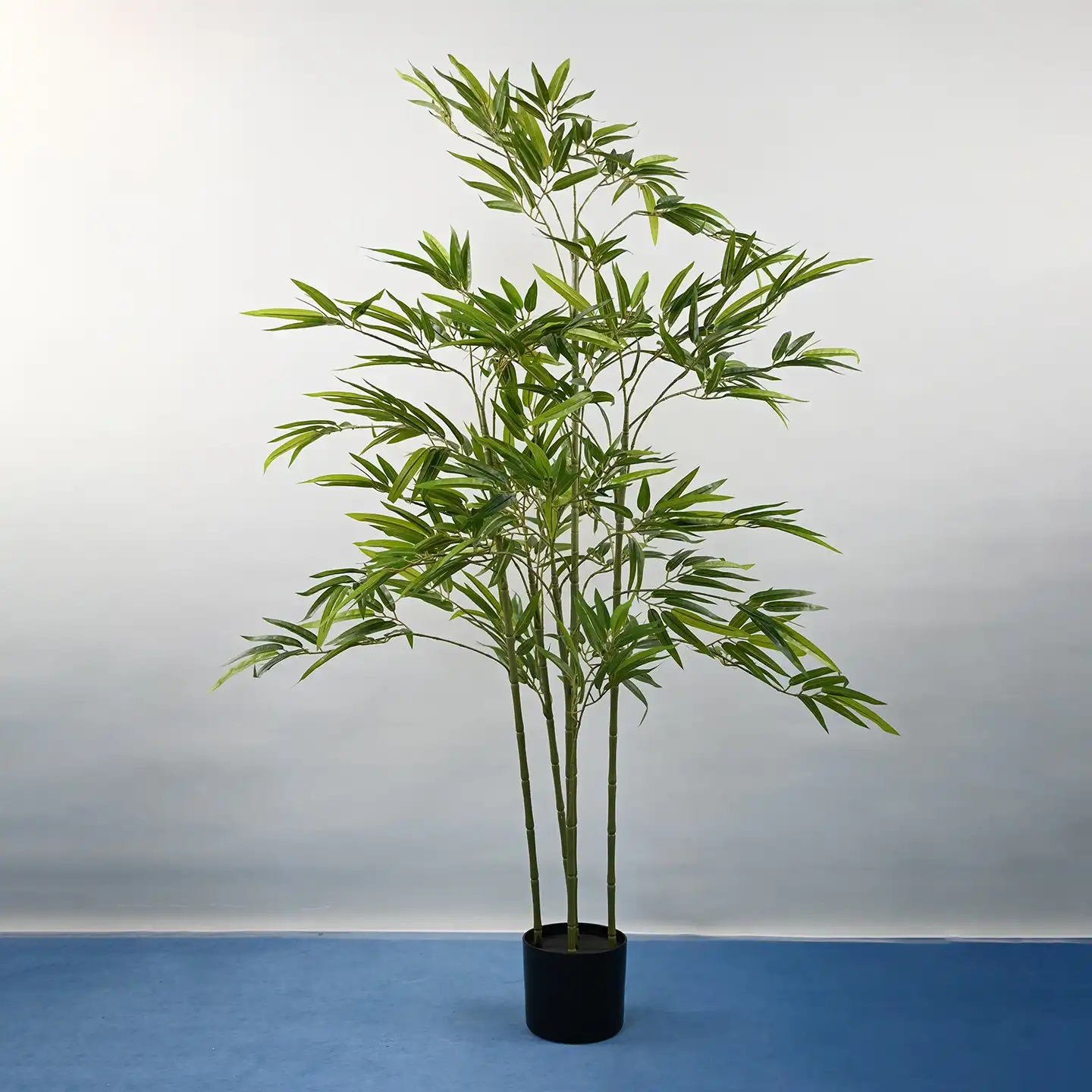
The Small Artificial Bamboo Plant has emerged as a transformative solution for wholesalers, importers, and commercial buyers seeking low-maintenance greenery that combines aesthetic appeal with practical durability. Unlike live bamboo, which demands constant watering, sunlight, and pest control, these botanical replicas deliver year-round visual consistency without operational headaches. As biophilic design continues reshaping hospitality, retail, and corporate spaces, artificial bamboo stands at the forefront of this movement, offering procurement managers a cost-effective way to introduce natural elegance into high-traffic environments while eliminating the unpredictability of organic plants.
Understanding Small Artificial Bamboo Plants – A Complete Guide
What Defines Small Artificial Bamboo Plants
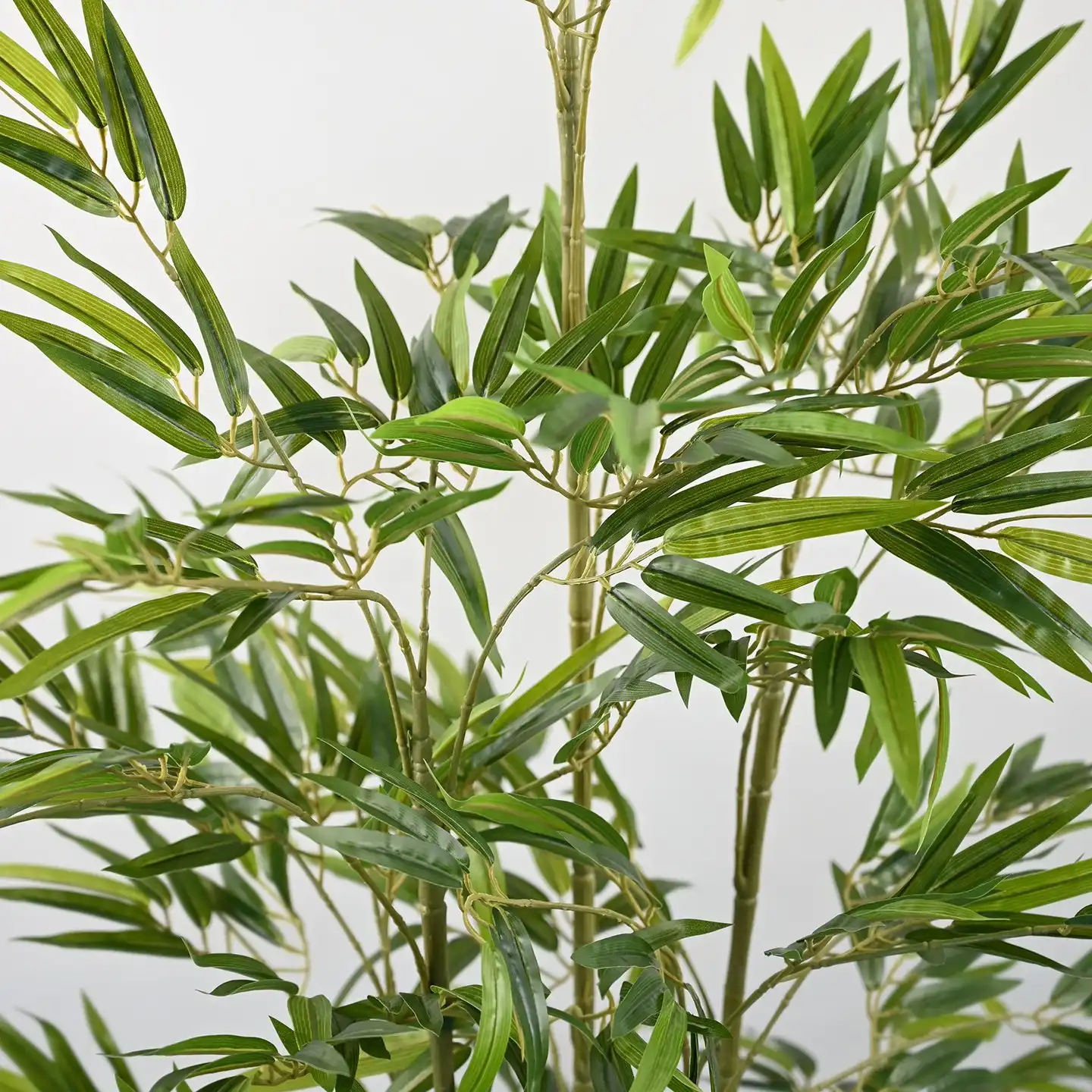
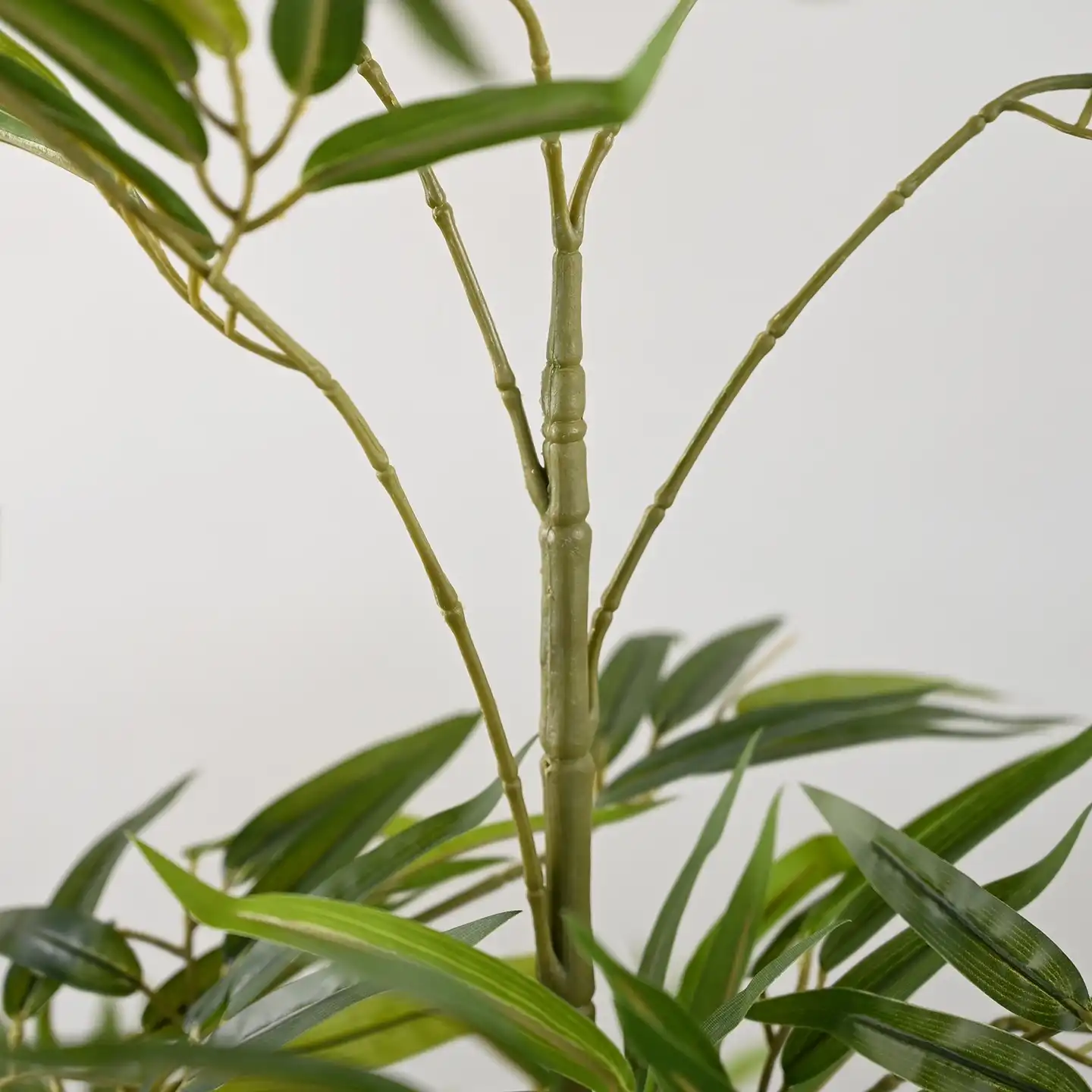
High-quality Small Artificial Bamboo Plants are exact copies of plants in the Bambusoideae group. They usually have three to five main stalks with stems that stand straight and branches that spread out. Premium models from companies like Blossom Sparkling use a mix of materials, including silk-polyester blends, high-density polyethylene, and Real Touch covering technology, to mimic the fine leaf venation and node structure that can be found in real plants. The leaves are long and lance-shaped, with smooth edges. They are mostly emerald green, but there are some light yellow spots that make them look like real leaves, without being as flat as cheaper plastic options.
Material Innovation Behind Realistic Appearance
Modern buildings made of Small Artificial Bamboo Plants are made of many layers of materials that work together. The trunk structure is usually made of kiln-dried natural bamboo culms or high-grade PVC reinforced with galvanized iron wire cores. This lets designers shape the branches while keeping the structure strong. Leaf materials are treated with UV-stabilizing chemicals that keep them from fading in direct sunlight for long periods of time. This fixes one of the most common problems with fake plants. This focus on material science is why high-end units look great for 5 to 8 years in commercial settings, much longer than cheaper ones that fade or crack in just a few months.
Advantages of Living Bamboo in Commercial Settings
There are some problems with working with live bamboo that can't happen with Small Artificial Bamboo Plants. Real bamboo needs a certain amount of moisture, a certain amount of light, and to be pruned regularly to keep the roots from spreading and damaging floors or drainage systems. We've seen procurement managers have to pay a lot of money over and over to replace live plants that get sick or die, especially in office buildings with HVAC systems where humidity changes. Small Artificial Bamboo Plants get rid of these problems while still having the same visual effect. The plants don't need soil-borne bugs and don't give off any allergens. They also keep their healthy look no matter what the temperature or light levels are.
How to Choose the Best Small Artificial Bamboo Plant for Your Business Needs
Evaluating Quality Through Material Standards
People who work in procurement should give more weight to sellers who can show proof that their products meet RoHS, REACH, CE, and BSCI standards. These certifications make sure that heavy metals and harmful phthalates aren't present, which is especially important in places that serve food or have kids. Blossom Sparkling's manufacturing process includes testing by a third party to make sure that the fire retardant treatments meet NFPA 701 standards. This is important for business indoor installations where flame-resistant materials are required by building codes. For leaf attachment, buyers should ask for details of the material's components and tensile strength specs. Industry standards say that the minimum pull force should be greater than 10 Newtons to stop the leaves from falling off during regular cleaning.
Matching Plant Size to Application Context
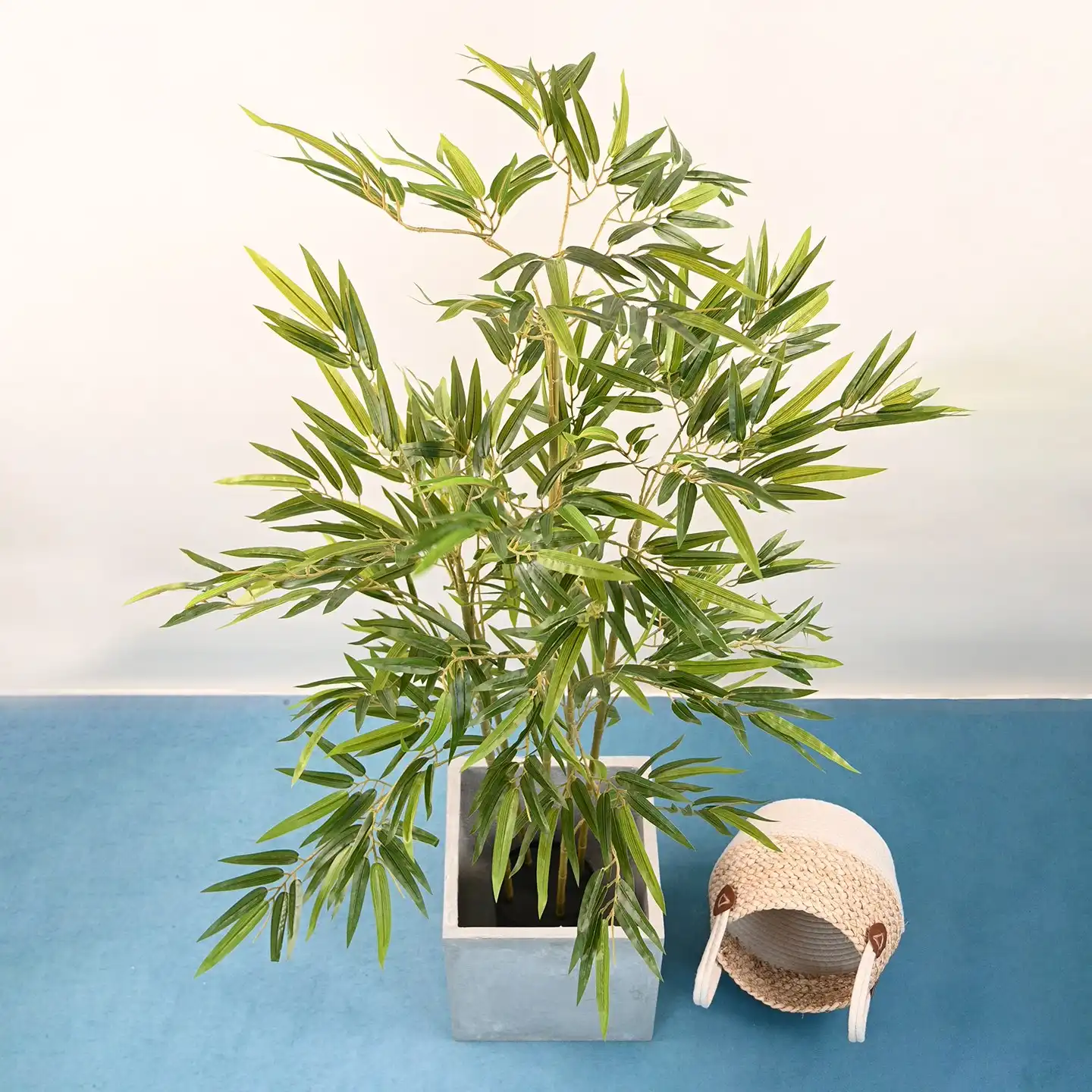
The flexibility of Small Artificial Bamboo Plants comes from the fact that their sizes can be changed. Small 12- to 18-inch desktop privacy screens that separate people visually without blocking sightlines work best in open office layouts. Larger floor-standing arrangements are needed in hotel lobbies and shopping mall atriums. 36-inch plants with dense greenery make striking vertical elements. Wedding planners who are looking for centerpiece plants need the same height across all orders, which is something that living plants can't promise because their natural growth rates vary. Facilities managers should check samples to make sure that pot base weight ratios keep pots from tipping over in high-traffic areas, especially if they are put in close to ventilation systems that move air.
Customization Capabilities for Brand Differentiation
Private-label customization is becoming more and more important to wholesale buyers who work with retail chains or event companies. A lot of the top manufacturers let you change the color from emerald green to sage green, olive green, or a mix of colors that match seasonal trends or your company's brand. Distributors can add branded inserts, care directions, or barcode systems that make inventory control easier when the packaging is customized. Blossom Sparkling keeps millions of RMB in ready stock and has production cycles that range from 7 to 30 days. This gives importers the flexibility to respond to sudden changes in market demand without having to worry about missing delivery dates.
Maintenance and Care Tips for Small Artificial Bamboo Plants
Routine Cleaning Protocols for Longevity
Over time, dust and other flying particles make Small Artificial Bamboo Plants look less nice, especially in places with a lot of foot traffic, like businesses. Facilities teams should clean every three months using anti-static microfiber cloths to gently wipe the surfaces of leaves. Low-pressure compressed air dusters are good at getting rid of dirt and dust from cracks between branches without hurting the UV coatings. Do not use strong chemical cleaners or rough washing, as these can remove protective layers and speed up the color loss process.
Environmental Placement Considerations
Small Artificial Bamboo Plants can survive in a lot of different conditions that would kill real plants, and placing it in the right place can make it last longer. It can take years for even UV-stabilized materials to fade in direct sunlight coming in through windows that haven't been treated. Putting plants a little farther away from windowsills helps keep the colors bright. Non-organic leaf materials don't grow mold or mildew, so they're better for places with a lot of humidity, like restaurant kitchens or spas. Fabric-based fake flowers, on the other hand, can get damaged by wetness. Extreme temperatures near heating vents or cold display cases can break polymer materials, so keeping the temperature in the room moderate is best for durability.
Replacement Indicators and Upgrade Timing
Instead of waiting for everything to break, commercial setups should set replacement plans based on how things look. Leaf darkening, stem stiffness loss, or base weakness are all visible signs. Properties that want to project a high-end brand image may change their fake plants every three to four years to keep them looking fresh. Buyers on a budget, on the other hand, can get six to eight years of use with proper care. Seasonal decor sellers can make money off of changes in fashion by adding new styles to their stock that match new design tastes in wellness-focused workplaces.
Procurement Insights: Sourcing and Ordering Small Artificial Bamboo Plants in Bulk
Identifying Reliable Manufacturing Partners
Verifying the seller for Realistic Small Bamboo Plant is the first step in buying in bulk that works. Wholesalers should choose factories with dedicated facilities for making artificial plants over trading companies that don't keep an eye on manufacturing. Blossom Sparkling has been making sparkling drinks for more than 30 years and is in charge of the whole process, from choosing the materials to packing them for export. This vertical integration stops quality problems that happen in supply chains with more than one vendor. Before committing to trial sales, make sure you have building certifications, proof of production ability, and references from wholesale customers you already work with.
Negotiating Logistics and Payment Terms
International freight costs have a big effect on landing unit prices, which is why relationships between carriers are so important. Established makers keep working ties with several freight forwarders, which helps them get bulk rates that lower the cost of shipping each unit. During negotiations, buyers should make sure they understand the Incoterms. For example, FOB pricing shifts the shipping risk to the port of origin, while DDP terms include delivery to the buyer's warehouse. The standards for packaging are very important. Strong outer cartons with internal foam bracing stop damage during transit that cuts into profits through customer returns.
Quality Control Checkpoints for Large Orders
Putting in place inspection protocols protects large investments. Before the items are shipped, they should be checked against approved examples to make sure the leaf connection tensile strength, color batch consistency, and size accuracy are correct. Before containers are made, problems are found by randomly choosing from production runs. Documentation from ISO 4892-3 Xenon Arc exposure tests backs up claims of UV stability, especially for orders that will be used in stores with lots of sun. In markets like Australia and New Zealand, where pest control rules are strict, fumigation certificates for natural wood parts keep customs delays to a minimum.
Future Trends and Innovations in Artificial Bamboo Plants for B2B Markets
Sustainable Material Development
In response to business green requirements, the artificial plant industry is coming up with new materials. New biodegradable polymers made from corn starch or sugarcane are starting to be made. These offer compostability at the end of their useful life without sacrificing realism. Ocean plastics are used to make recycled textile fabrics, which are in line with the ideas of the circular economy and appeal to buyers who care about the environment. Certification groups now check how carbon footprints are reduced in industrial processes. This gives procurement teams numbers they can use to support ESG reporting requirements.
Smart Technology Integration
Forward-thinking companies are looking into ways to add sensors to fake plants so that they can check the quality of the air or work with building management systems. Even tho they are still new, these smart plants could record when a room is occupied or make changes to the HVAC system based on how the room is used. When artificial landscaping meets Internet of Things design, there is untapped potential for business real estate managers looking for combined building solutions.
Shifting Design Aesthetics in Workplace Wellness
More and more, biophilic features are being used in corporate design to improve the health and happiness of employees. It looks great in wellness-focused rooms with natural textures and soothing color schemes to use Small Artificial Bamboo Plants. In open-plan offices, collaborative areas are set up with freestanding bamboo arrangements instead of permanent buildings. Healthcare facilities use plants that don't need to be cared for often in patient rooms where live plants could spread germs. Knowing about these changes in applications helps distributors plan their inventory needs and teach store partners about new market groups.
Conclusion
Aesthetic sophistication and practicality come together in Small Artificial Bamboo Plants, which meet the needs of wholesalers, event planners, and business property managers who need reliable greenery options. These goods are must-haves for wholesalers who serve a wide range of markets because they look real, don't need much upkeep, and can be customized to fit specific needs. As material science improves and sustainability becomes a must, buyers who work with experienced manufacturers will be able to meet the growing needs of businesses, hotels, and stores.
FAQ
1. How closely do artificial bamboo plants replicate real bamboo?
With screen-printed leaf veins, natural color patterns, and flexible wire-core stems, premium models made with Real Touch technology and a mix of materials look amazingly real. The emerald green leaves with light yellow accents look like the different ways that plants use light to make food, and the 3 to 5 main stalks look like the way plants naturally grow in groups.
2. What lifespan can buyers expect from quality artificial bamboo?
If you clean commercial-grade Small Artificial Bamboo Plants regularly, they should keep their look for 5 to 8 years. Longevity depends on things like UV exposure and humidity in the air, but good units last longer than live bamboo, which needs to be replaced every two to three years because of problems with disease or growth management.
3. Are artificial bamboo plants environmentally sustainable?
Leading manufacturers follow the rules set by RoHS and REACH, which get rid of harmful materials. New biodegradable polymers and upcycled fabrics make environmental ratings even better. The longer lifespan means that they don't need to be replaced as often, which saves resources compared to getting live plants over and over again.
Partner with Blossom Sparkling for Your Artificial Bamboo Needs
Blossom Sparkling is ready to help event planners, wholesalers, and business buyers who are looking for a reliable Small Artificial Bamboo Plant provider. Our 30-year history of manufacturing blends Real Touch technology with strict quality control to make goods that are certified by RoHS, REACH, CE, and BSCI. We offer factory-direct prices and solid 7–30-day production cycles, and you can change the sizes, colors, and packaging to make your products stand out. Whether you need sample orders or full containers, our team can help you put them together and guarantee the quality. Contact us at export@blossomsparkling.com to learn more about how our Small Artificial Bamboo Plant options can help you make your products better and meet your customers' needs.
References
1. Chen, L., & Wang, M. (2022). Artificial Plants in Commercial Interior Design: Material Innovation and Market Trends. Journal of Environmental Horticulture, 40(3), 112-128.
2. Davis, R. K. (2021). Biophilic Design Elements in Corporate Workspaces: Impact on Employee Wellbeing. Facilities Management Quarterly, 18(2), 45-61.
3. Harrison, T. J., & Liu, S. (2023). Sustainable Materials in Decorative Plant Manufacturing: A Life Cycle Assessment. International Journal of Green Production, 29(1), 77-94.
4. Martinez, E. P. (2020). Quality Standards for Artificial Botanical Products in Commercial Applications. Building Materials Research, 15(4), 203-219.
5. Singh, A., & Thompson, G. H. (2022). UV Degradation Mechanisms in Polymer-Based Artificial Foliage. Materials Science and Engineering Review, 34(6), 88-102.
6. Zhang, Y., & Yamamoto, K. (2023). Market Analysis of Artificial Plants in Global B2B Trade: Trends and Procurement Strategies. Supply Chain Management Today, 27(2), 134-151.