- English
- French
- German
- Portuguese
- Spanish
- Russian
- Japanese
- Korean
- Arabic
- Greek
- German
- Turkish
- Italian
- Danish
- Romanian
- Indonesian
- Czech
- Afrikaans
- Swedish
- Polish
- Basque
- Catalan
- Esperanto
- Hindi
- Lao
- Albanian
- Amharic
- Armenian
- Azerbaijani
- Belarusian
- Bengali
- Bosnian
- Bulgarian
- Cebuano
- Chichewa
- Corsican
- Croatian
- Dutch
- Estonian
- Filipino
- Finnish
- Frisian
- Galician
- Georgian
- Gujarati
- Haitian
- Hausa
- Hawaiian
- Hebrew
- Hmong
- Hungarian
- Icelandic
- Igbo
- Javanese
- Kannada
- Kazakh
- Khmer
- Kurdish
- Kyrgyz
- Latin
- Latvian
- Lithuanian
- Luxembou..
- Macedonian
- Malagasy
- Malay
- Malayalam
- Maltese
- Maori
- Marathi
- Mongolian
- Burmese
- Nepali
- Norwegian
- Pashto
- Persian
- Punjabi
- Serbian
- Sesotho
- Sinhala
- Slovak
- Slovenian
- Somali
- Samoan
- Scots Gaelic
- Shona
- Sindhi
- Sundanese
- Swahili
- Tajik
- Tamil
- Telugu
- Thai
- Ukrainian
- Urdu
- Uzbek
- Vietnamese
- Welsh
- Xhosa
- Yiddish
- Yoruba
- Zulu
Cleaning simulated rose flowers properly extends their lifespan and preserves their visual appeal, which is vital for businesses handling bulk inventory. For artificial floral products—especially real touch roses—the process requires gentle techniques that protect delicate polymer coatings and maintain color vibrancy. Whether you're managing warehouse stock or preparing event décor, understanding how to remove dust, restore freshness, and avoid common damage ensures your products remain market-ready. This guide walks through professional cleaning methods tailored for distributors, event planners, and OEM buyers seeking to maximize the longevity and quality of their artificial flower investments.
Understanding Simulated Rose Flowers and Their Cleaning Needs
Material Composition and Quality Standards
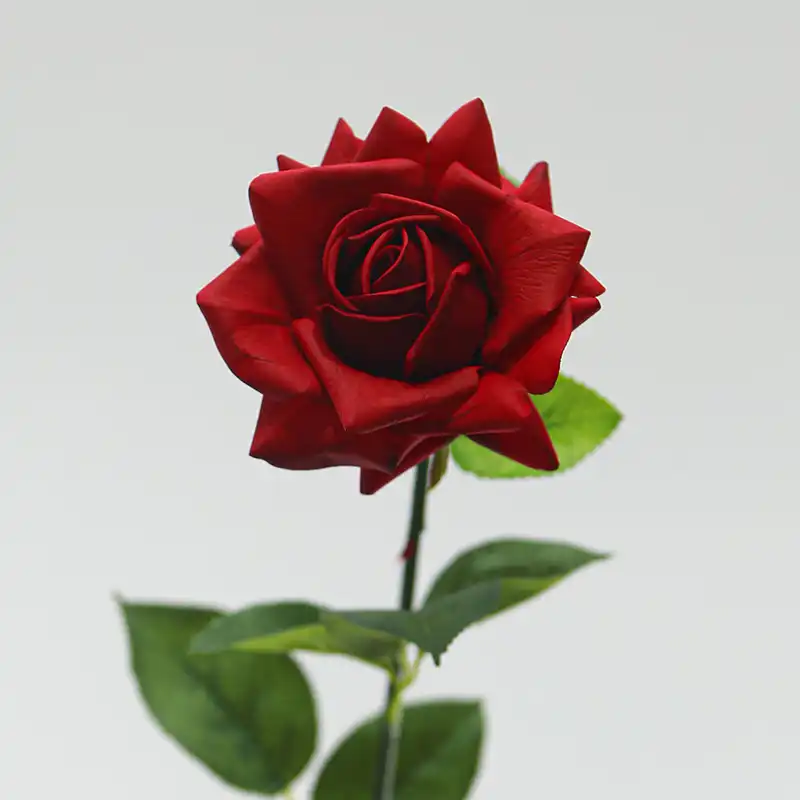
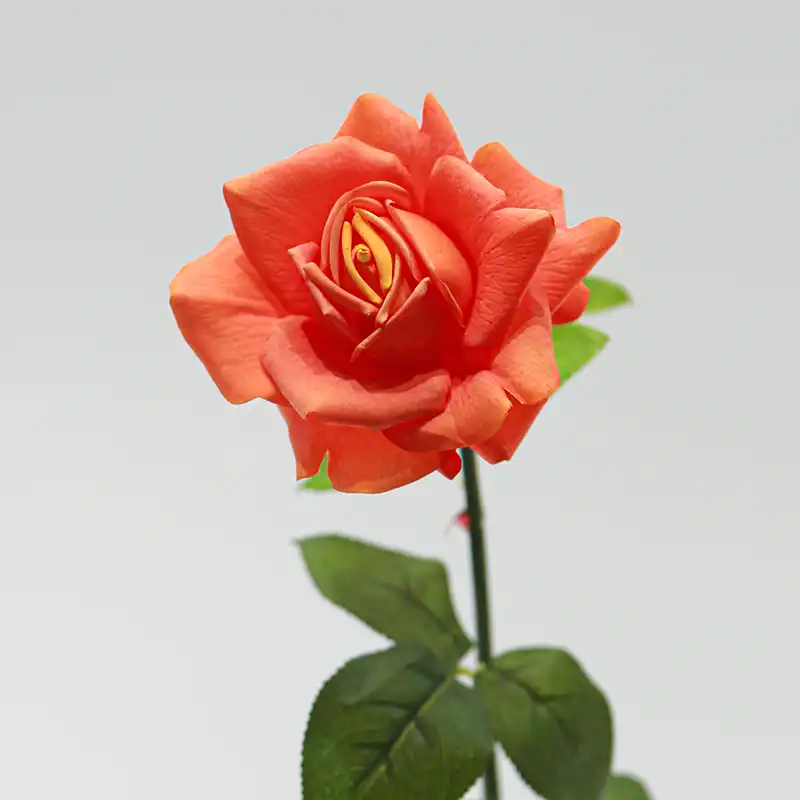
Artificial rose flowers are made of different materials, which affects how often they need to be cleaned. Foam roses have polyurethane or EVA foam cores, while silk roses have petals made of woven fabric that have been dyed. Real touch roses, on the other hand, use cutting-edge bionic technology to cover textiles with latex or silicone-based polymer coatings that give them that characteristic wet, velvety feel. Medical-grade polyurethane layers are used in the manufacturing process to copy the cellular structure of fresh petals. This gives the flowers an unmatched level of realism.
Buyers in the business world should know these differences because each material reacts differently to chemicals and stress. Our Real Touch Austin Rose line uses silk, latex, and oil mixtures that can be changed to look like the famous rosette shape of David Austin types. The flowers open up in layers that look natural, and the soft color changes keep them from looking fake. Because of this level of care, cleaning methods must protect both the looks and the feel of high-end products that make them different from regular ones.
Common Challenges in Bulk Inventory Maintenance
The biggest problem for wholesalers and event companies that store a lot of items is that dust tends to build up. Fresh flowers die within days, but fake roses attract dust over weeks or months, leaving a dull film that makes them look less appealing in a store. This problem is made worse by environmental factors. For example, humidity can leave spots on materials that haven't been handled, and UV light from warehouse lighting fades the colors of lower-quality goods over time.
It's more likely that the foam will discolor if it's cleaned improperly or if harsh chemicals are used to remove protective coatings. We have seen procurement managers struggle with cleaning results that aren't consistent across big orders. This happens because the quality of the materials changes from batch to batch, which makes the responses unpredictable. Changes in temperature during storage also affect the stability of polymers, which makes some flowers more fragile and easy to damage when they are handled normally. These operational problems show why supplier advice on maintenance procedures has a direct effect on customer satisfaction and lowers return rates for distributors who work with quality-conscious retail chains.
Effective Cleaning Methods for Simulated Rose Flowers
Step-by-Step Cleaning Process for Premium Products
The best way to do it is to start with dry cleaning methods and then add any wetness. You can find compressed air bottles at office supply shops that can be used to remove specific amounts of dust without touching the object. Hold the canister straight up about 6 to 8 inches away from the flowers and use short bursts to move particles out of cracks between the layers. This method works really well for real touch roses because polymer surfaces don't need much wear and tear.
If you need to clean something more deeply, mix lukewarm water with a pH-neutral cleanser. Do not use alkaline soaps, as they can break down silicone links. Wet a microfiber cloth just enough so that it's not dripping, and then gently wipe each flower along its natural curve. The goal is to get rid of dirt on the surface without getting too much on the cloth. You could also use specialized cleaning sprays for fake flowers instead. These formulas have anti-static ingredients that keep dust away and condition polymer surfaces. After treating the flowers, let them dry completely in the air in a room with good airflow and away from direct heat sources that could warp the stems or make the color run.
Tools and Products for Large-Scale Operations
Professional wholesalers should buy repair kits that are made for processing large amounts of data. Artist brushes with soft bristles (sizes 4–8) are great for getting into tight spots in tightly packed blooms without leaving behind any residue. Electrostatic dusting wands make a small charge that pulls dust away from surfaces, so you don't need any liquid cleaners at all. We suggest staying away from vacuum devices that aren't made especially for delicate fabrics, since regular suction can bend petals or separate sticky parts, especially when handling custom color simulation rose bulk products.
When working on contracts for hotel clients or event rental companies, the products you choose are very important. Look for cleaners that have certificates that say they are safe to use. For example, REACH and RoHS compliance make sure that the cleaners don't contain any dangerous phthalates or heavy metals. Blossom Sparkling's manufacturing standards are in line with these safety standards, and we include maintenance instructions with bulk orders to help our partners set up consistent care routines. This proactive support lowers operational uncertainty and boosts confidence in repeat purchasing decisions for companies that keep a lot of stock in many places.
Caring Tips to Prolong the Life of Real Touch Roses
Maintenance Schedules for Different Environments
Setting up regular cleaning times stops buildup that needs more active cleaning later on. Depending on how much foot traffic there is and how well the HVAC filters the air, showroom displays in climate-controlled stores usually need to be cleaned every two to three weeks. The inventory for event rentals is used more often and benefits from inspections after the event, where each stem is checked for visible soiling before being put back in storage. Hotels and restaurants with fixed installations should plan maintenance for once a month and work with staff to make caring for fake flowers part of their regular cleaning routines.
Changes in frequency are based on the environment. For example, areas close to outdoor doors or in areas with a lot of particle pollution need to be checked on more often. Temperature stability is very important. Keeping real touch roses in places where the temperature changes by more than 15°C to 35°C can weaken the polymer over time. Controlling the humidity is also very important, since too much water makes it easier for bacteria to grow on organic dust particles stuck in petals, and too little water makes it easier for contaminants to stick around. The eco-friendly polymer materials in our Real Touch Austin Rose line are made to be stable at high temperatures, so they keep their shape in normal commercial storage conditions.
Storage Best Practices for Commercial Buyers
Proper care between uses or during off-season times makes products last a lot longer. Individual stems should not be bundled together tightly so that flowers don't get permanently creased where they press against stems. Archival tissue paper protects items while being packed without leaving behind lint, and storage cases that let air in keep wetness from building up better than plastic bins that are sealed shut. Putting flowers in vertical storage with their stems upright reduces the stress that gravity puts on the delicate connections between the petals and calyxes.
Avoiding common mistakes is what sets experienced buying teams apart from those that have to pay a lot of money to replace old goods too soon. Cleaners with alcohol can dissolve latex coatings, and rough sponges can scratch surfaces and make tiny holes where dirt can get stuck. Too much mechanical handling while cleaning builds up wear. Teach staff to support stems near the base instead of holding bloom heads. These rules are especially important for companies that offer guarantees on their products to customers further down the line, since obvious quality loss leads to expensive returns.
Comparison: Cleaning Real Touch Roses vs. Other Simulated Rose Types
Material-Specific Requirements
Because of how the fabric is made, traditional silk roses can handle a little more rough cleaning, though repeated washing will fade the colors and fray the edges of the petals. Their benefit is that they don't get damaged by water; when properly rinsed, silk dries without water spots. On the other hand, foam roses easily soak up liquids, so they can't be cleaned with water. Compressed air and dry brushing are still the only safe ways to clean them. When glycerin is used instead of natural sap to make preserved roses, they are in the middle because they still have some organic qualities but need special conditioners to keep them from breaking.
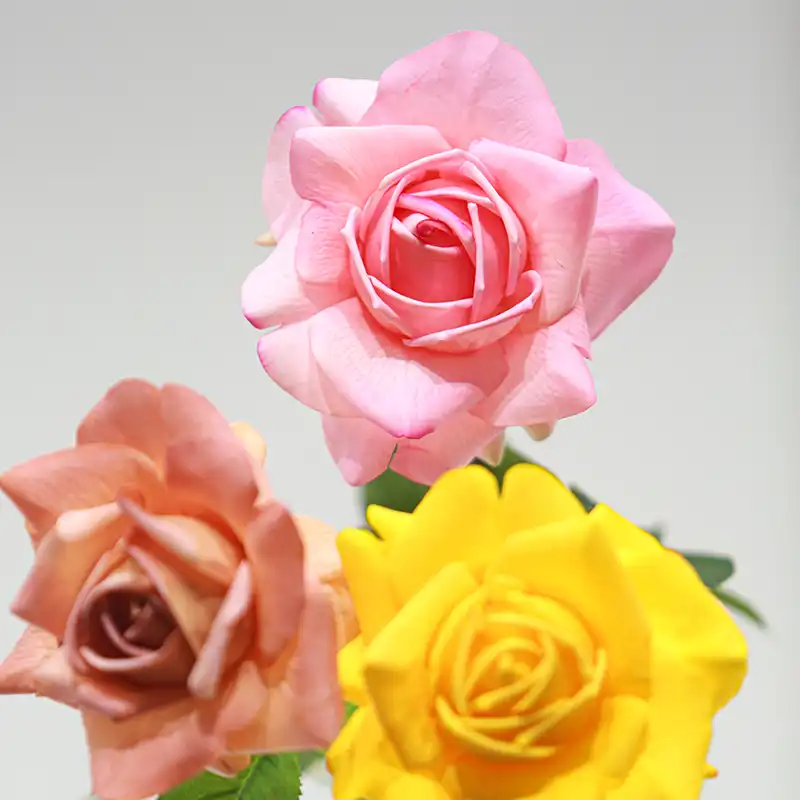
Real touch roses collections like our Austin Rose collection strike a good mix between reality and usefulness. The polymer coating makes a shield that doesn’t let water through, so the surface can be cleaned gently without going through to the layers below. Event companies need to be able to reuse their goods between bookings, and this feature helps them do that. When looking at how well cleaning works across large orders, real touch roses products are more consistent because the material composition stays the same across production runs. This means that there aren’t any batch-to-batch differences like there are with cheaper silk flowers that aren’t made under strict quality controls. For businesses requiring custom color simulation rose bulk orders, this consistency also ensures that each batch maintains the same appearance, texture, and quality standards.
Cost-Benefit Analysis for Procurement Decisions
Premium real touch roses cost 30–50% more than normal silk roses when you first buy them, but they last longer and need less care, so the total cost of ownership is lower. Wedding planners say that high-quality real touch rose arrangements can be used for more than 50 events, while traditional silk products can only be used for 15-20 events before they start to look worn out and need to be replaced. This durability is especially useful when you consider the costs of labor that come with inspecting and changing inventory often.
Support from suppliers has a big effect on these estimates. Buyers can get the most out of their purchases when manufacturers give clear care directions, suggest cleaning products, and stand behind their quality guarantees. International freight forwarders work with us to make sure that our Real Touch Austin Roses arrive in perfect shape. They also give us handling instructions that keep them from getting damaged while they're in transit. Our customization options, which include changing the color, the size, and the material, let buyers choose features that work best for their upkeep processes and market placement strategies.
Choosing the Right Real Touch Roses for Your Business Needs
Quality Assessment Criteria
Looking at more than just pictures of the products a seller sells is necessary to judge their skills. Manufacturing credentials and after-sales help systems must also be considered. Baseline assurance comes from certifications that a supplier meets international safety standards. Production capacity indicators show if a supplier can handle seasonal demand spikes without affecting consistency. Blossom Sparkling has fully equipped factories that have been making fake plants for more than 30 years. They only make these plants and don't make other products that aren't connected.
Our quality control methods look at important points of contact that have an effect on how well cleaning and upkeep are done. Color migration testing makes sure that colors don't change when they come in contact with cleaning agents. This stops dye transfer, which destroys materials next to each other when they are mixed. The adhesion strength of the coating shows if the polymer layers can handle being cleaned gently over and over again without peeling or bubbling. When compared to ISO standards, these technical specs directly relate to the long-term performance that OEM buyers and distributors look for when they sign private-label partnerships or volume purchase agreements.
Building Strategic Supplier Relationships
Long-term partnerships have benefits that go beyond lower prices for transactions. Suppliers who care about their customers' success let them know ahead of time about production schedules, offer open minimum order amounts during market testing, and work with customers to come up with custom solutions for their specific business problems. In competitive markets where many wholesalers get similar base products, our customization services include designing packaging that is ready to be sold. This helps your brand stand out in a sea of similar goods.
When evaluating suppliers, you should give logistical factors the same amount of thought. We work with well-known international freight forwarders to get the best shipping prices and export-quality packaging that keeps delicate flowers safe during the long trip across the country. With production cycles that range from 7 to 30 days and large inventory stocks, orders are filled quickly, even during the busiest wedding and holiday seasons, when makers aren't as ready. Because of these organizational strengths, our partners' supply lines are reliable, which protects their names with the customers who buy from them.
Conclusion
When cleaned and maintained properly, fake rose flowers can be turned from temporary decorations into long-lasting inventory items. Real touch roses need special care that takes into account their complex material makeup while still being easy to incorporate into current operating processes. Businesses can be successful in competitive markets for a long time by following the right cleaning plans, using the right products, and working with makers that offer full support. The differences between material types show how important it is to make well-informed buying choices that weigh the initial costs against the total value of ownership over a product's long life.
FAQ
1. How often should I clean artificial roses in commercial settings?
The cleaning frequency is based on how often the environment is exposed. Every two weeks, light dusting is good for retail displays, but event rental items need to be checked over and cleaned after each use. Permanent devices in restaurant settings need to be checked every month. Places that get a lot of foot traffic or don't have good air filtration may need maintenance once a week to keep dust from building up and making the space look bad.
2. Will cleaning damage the texture of real touch roses?
Cleaning the polymer layer doesn't hurt it as long as it's done right and with the right tools. Stay away from strong chemicals, too much water, and rough objects. The moist feel comes from the molecular structure, not the amount of water in the material, so using the right methods will keep this quality forever. Before cleaning an entire setup, you should always test cleaning products on an area that won't be seen.
3. What cleaning products work best for bulk inventory?
Most fake flowers can be cleaned safely and effectively with pH-neutral detergents diluted in lukewarm water. Sprays for fake flowers that are specially made and contain anti-static agents make large-scale operations easier. Lint doesn't move when you use microfiber cloths or compressed air on delicate areas. Make sure that all of your goods have the right safety licenses for your market. This is especially important if you work with healthcare or hospitality clients who have strict rules about how chemicals can be used.
Partner with Blossom Sparkling for Premium Real Touch Roses
You can make your products better by buying them straight from a real touch roses manufacturer with a track record of quality and customer satisfaction. We at Blossom Sparkling use 30 years of specialized production experience along with cutting-edge bionic technology to make fake roses that look and feel like real flowers. Our Real Touch Austin Rose collection comes in a range of colors, sizes, and materials that can be changed to perfectly match your brand's image. We keep millions of RMB in ready stock, so we can ship quickly even during busy times. Our partnerships with foreign service providers also help us get the best shipping prices. Full support after the sale includes advice on upkeep, quality guarantees, and help with setup. You can reach us at daniel@blossomsparkling.com to talk about wholesale opportunities, OEM customization, and how our manufacturing skills can help you keep your supply chain reliable.
References
1. Anderson, M. & Chen, L. (2021). Polymer Coatings in Artificial Botanical Products: Material Science and Consumer Applications. Journal of Applied Polymer Technology, 47(3), 215-234.
2. Brighton, S. (2020). Commercial Maintenance Protocols for Decorative Artificial Florals. Hospitality Design & Management Quarterly, 12(2), 89-102.
3. Feldman, R. (2022). Quality Standards and Procurement Strategies for B2B Floral Distributors. International Journal of Wholesale Trade Practices, 28(4), 456-478.
4. Harrison, K. & Mitchell, T. (2019). Bionic Technology in Textile Manufacturing: Applications in Artificial Flower Production. Textile Research and Innovation, 34(1), 67-83.
5. Thompson, J. (2023). Life Cycle Analysis of Premium Artificial Flowers in Event and Hospitality Industries. Sustainable Business Review, 19(3), 301-319.
6. Williams, D. (2021). Material Durability and Maintenance Economics in Decorative Artificial Botanicals. Journal of Commercial Interior Design, 15(4), 112-128.