- English
- French
- German
- Portuguese
- Spanish
- Russian
- Japanese
- Korean
- Arabic
- Greek
- German
- Turkish
- Italian
- Danish
- Romanian
- Indonesian
- Czech
- Afrikaans
- Swedish
- Polish
- Basque
- Catalan
- Esperanto
- Hindi
- Lao
- Albanian
- Amharic
- Armenian
- Azerbaijani
- Belarusian
- Bengali
- Bosnian
- Bulgarian
- Cebuano
- Chichewa
- Corsican
- Croatian
- Dutch
- Estonian
- Filipino
- Finnish
- Frisian
- Galician
- Georgian
- Gujarati
- Haitian
- Hausa
- Hawaiian
- Hebrew
- Hmong
- Hungarian
- Icelandic
- Igbo
- Javanese
- Kannada
- Kazakh
- Khmer
- Kurdish
- Kyrgyz
- Latin
- Latvian
- Lithuanian
- Luxembou..
- Macedonian
- Malagasy
- Malay
- Malayalam
- Maltese
- Maori
- Marathi
- Mongolian
- Burmese
- Nepali
- Norwegian
- Pashto
- Persian
- Punjabi
- Serbian
- Sesotho
- Sinhala
- Slovak
- Slovenian
- Somali
- Samoan
- Scots Gaelic
- Shona
- Sindhi
- Sundanese
- Swahili
- Tajik
- Tamil
- Telugu
- Thai
- Ukrainian
- Urdu
- Uzbek
- Vietnamese
- Welsh
- Xhosa
- Yiddish
- Yoruba
- Zulu
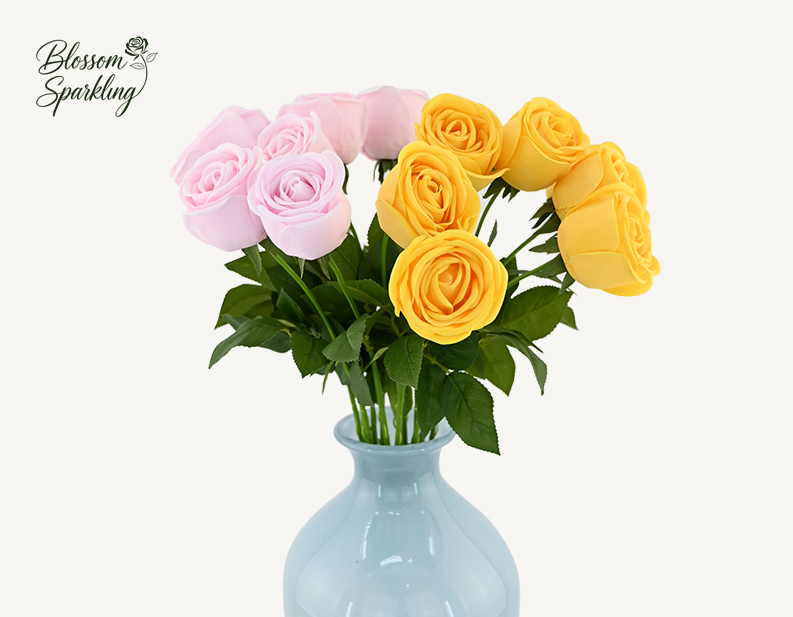
Arranging long-stem faux roses properly transforms ordinary displays into compelling visual statements that drive commercial success. Real touch roses, specifically engineered with moisturizing bionic technology, deliver the tactile authenticity and visual impact that B2B buyers demand for weddings, hospitality projects, retail merchandising, and corporate gifting programs. This guide provides procurement professionals with tested arrangement methods, supplier evaluation frameworks, and maintenance protocols that protect inventory investments while enhancing brand presentation across diverse commercial applications. The strategic advantage of mastering professional arrangement techniques extends beyond aesthetics. When wholesalers, event planners, and retail buyers understand optimal placement, color coordination, and structural support methods, they reduce product damage during transport, accelerate installation timelines, and create repeatable design systems that scale efficiently. Our insights combine over thirty years of manufacturing expertise with practical field knowledge, helping businesses maximize the commercial potential of premium artificial floral products in competitive markets.

Understanding Long Stem Faux Roses and Real Touch Roses
Material Innovation Behind Realistic Appearance
Long-stem fake roses have come a long way since the early foam and basic silk versions. Medical-grade polymer coatings are put on high-density cloth surfaces in modern real touch roses technology. This makes flowers that feel slightly cool, soft, and moist when you touch them. This way of making things closes the visual-tactile gap that used to keep fake flowers simply decorative, where they wouldn't be looked at closely.
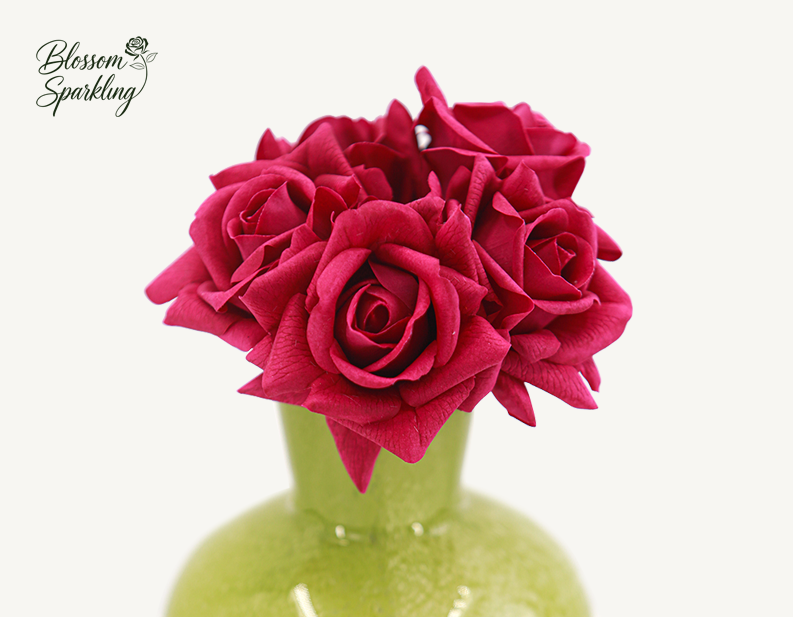
The Real Touch Grand Rose is a great example of this new technology because it has multiple layers and sixty to eighty separate flowers with naturally rounded edges and clear vein patterns. Traditional silk flowers feel dry and stiff, but these botanically accurate copies keep their shape memory and bounce back to their original shape even after being compressed during shipping. The stem has a flexible wire core covered in rubber or silk. This lets the person arranging the flowers bend and place each stem exactly without breaking or permanently changing its shape.
Analysis of Comparative Performance
Understanding the material differences in performance is important for procurement teams as they look at different options for fake roses. Foam roses break down quickly in UV light and can't handle the changes in humidity that happen a lot at event places. Standard types of silk don't have the depth of dimension needed for high-end setups, so they look flat when lit professionally. Even tho fresh roses are beautiful, they can't be used in healthcare or dining settings because they need to be kept cool and will wilt in 48 hours.
Real touch roses keep their look for three to five years if they are taken care of properly, so you don't have to pay for new flowers every time. The eco-friendly polymer materials used in good production are in line with RoHS and REACH rules and don't have any heavy metals or toxins in them. This certification is very important for business-to-business buyers who work with institutions that have strict safety rules, like hospitals, schools, and government buildings that need to have material documentation.
Core Principles of Arranging Long-Stem Faux Roses for B2B Use
Structural Planning for Commercial Installations
To make a good arrangement, you need to know about the space needs and sight lines that are unique to business settings. Installations in hotel lobby areas need to be balanced and have a lot of volume to draw attention across large areas. Retail window displays, on the other hand, need to be asymmetrical and dynamic to draw people in. To make it easy for people at different tables to talk to each other, wedding decorations need to be precisely measured in terms of height.
When working on a large scale, STEM flexibility becomes a useful advantage. Quality fake roses are made with a wire core that lets florists make natural curves that look like how fresh roses droop a little when they're full of flowers. When making cascading bridal bouquets or tall vase arrangements where stiff stems would look fake, this feature comes in very handy. During the seller evaluation process, procurement teams should check the stem gauge strength to make sure that the internal support can keep the desired angles without sagging over long show periods.
Color Coordination and Density Management
For commercial designs, flower density and color spread need to be mathematically exact. Depending on the size of the blooms and how full you want the centerpiece to be, a standard 12-inch centerpiece needs nine to fifteen rose stems. Not enough flowers in an arrangement makes it look cheap and empty, which hurts the brand's image. Too many flowers in an arrangement hide the individual flower details that justify the higher price.
Color choice isn't just about what you like; it's also about how it makes you feel and how it fits with your brand. Burgundy and deep purple are luxurious colors that work well in high-end dining settings. On the other hand, soft pink and champagne colors are popular at weddings, where people buy things because they look sweet. Pure white roses are good for business settings that need a neutral, classy look that goes with a variety of color schemes. When buying from manufacturers, asking for color samples before placing large orders helps avoid costly mistakes because monitors don't always show the fine differences in color that are present in real products.

Step-by-Step Method to ArrangeLong-Stemm Faux Roses Professionally
Preparation and Quality Inspection
When receiving bulk shipments, it is important to do thorough quality checks to make sure that there are no batch differences that could affect the final arrangements. Check that the petal connection points are securely attached, that the stems are all the same color, and that the stems are flexible by slowly bending them to 45 degrees. Write down and take pictures of any problems right away to help the provider fix them faster. During busy times, when production volumes rise and quality control may not be perfect, this checking routine is even more important.
Before you start making an arrangement, make sure you have the right tools. You'll need sharp floral cutters to cut the stems cleanly, floral tape in colors that match the stems, anchor foam or stabilizing weights for the bases of the containers, and measuring tools to make sure the heights are always the same. Professional flower arrangers usually have designated work areas with good lighting and enough table space to spread out materials without crowding, which keeps delicate petals from getting damaged by accident.
Basic Arrangement Technique Sequence
Set your focal point with the highest center stem. For balanced proportions, this stem is usually cut to be one and a half times the height of the container. Place this anchor stem upright and tightly secure it in foam or a base with weights on it. To make natural dome or waterfall forms, add stems around the edges in concentric circles, lowering the height by one to two inches with each ring. By angling the outer branches slightly outward, you can increase the visible volume without using too much material.
Layer complementary elements strategically between primary roses. Eucalyptus stems, fern fronds, or baby's breath fillers add different textures and cut down on the number of roses needed for each arrangement, which helps you make more money when you buy a lot of them. Good fake stems have wire bases that let you precisely place these accents, tucking them into gaps and angling leaves to frame flowers well. Floral tape wrapped around stem bundles below the visual focal plane can be used to secure intersections.
Advanced Customization for Brand Differentiation
More and more, corporate clients want branded arrangements with specific color schemes that match their logos or seasonal marketing campaigns from a bulk long stem faux roses supplier. Distributors and event planners can charge higher prices and build customer loyalty through personalized service when they can customize in this way. To make sure that unique designs are carried out consistently across multiple units or repeat orders, make arrangement models that are written down with stem counts, color ratios, and assembly steps.
Lighting in photography has a big effect on how good a layout looks. Place groups of products near windows that let in natural light or use soft, even lighting to get rid of harsh shadows when setting up products for catalog photos or client meetings. Real rose petals are translucent, and their vein patterns and color gradations really stand out when they are lit properly. This is why they are positioned as a special product. Include scale references in product photos to help buyers get a good idea of the right sizes for their needs.
Evaluating and Selecting the Best Real Touch Roses for Your Business
Critical Quality Metrics for Procurement Decisions
Material quality is what sets high-end real touch roses providers apart from low-cost ones that compete mostly on price. Ask for specific information about the polymer's make-up, the results of UV resistance tests, and its elasticity ratings. Manufacturers of good products provide scientific information like stem tensile strength measures and coating binding test results. These requirements may seem too strict, but they directly predict how well the product will work during the shipping, handling, and display processes, which are what determine how satisfied customers are and how likely they are to buy from you again.
Supplier Reliability and Service Infrastructure
When filling big business orders, consistency in craftsmanship is very important. For a wedding with forty centerpieces, differences in bloom size or color intensity between tables are not acceptable. When evaluating a provider, it's better to ask for samples from more than one production run than just a few highlight pieces. This test shows if the company has quality control systems that can make sure all of their products are the same, even when they're making a lot of them at once because of high demand.
In addition to product quality, a supplier's operational skills determine whether or not a partnership will work. Your inventory turnover rate and storage space must be in line with your minimum order quantities. Smaller distributors have trouble keeping up with their cash flow when a supplier wants 5,000 stems per order. On the other hand, MOQs of 100 stems make it possible to try out new color lines with little financial risk. Write down what you expect the wait time to be and make sure you understand the difference between stock items that can be shipped right away and custom productions that take three to four weeks.
When compared to trading platforms or secondary wholesalers, factory-direct relationships are much better. Direct makers, such as Blossom Sparkling, offer more customization options for materials, sizes, and packages than middlemen. When working with OEM clients who want private-label branding or retail chains who need particular packaging measurements to fit their delivery systems, this feature comes in very handy. When you're selling to institutional buyers who have strict requirements, having manufacturing partners with RoHS, REACH, CE, and BSCI certifications makes your compliance paperwork easier.

Maintenance and Care Tips for Long-Stem Faux Roses to Maximize Longevity
Cleaning Protocols for Commercial Environments
Artificial arrangements lose their beauty over time as dust builds up on them, especially in commercial settings with a lot of foot traffic. Set up cleaning plans once a month using soft-bristle brushes or compressed air to get rid of surface dust without upsetting the careful positioning of the petals. For a deeper clean, lightly wet a microfiber cloth with water that has a few drops of mild soap mixed in. Then, gently wipe each petal from the base to the tip, following the flower's natural growth pattern.
Do not use cleaners with alcohol or harsh acids, as these can damage the polymer coats that give the true feel of moisture. These chemicals do lasting damage, like fading colors and surfaces, and they take away the tactile qualities that make high-end goods stand out. When arrangements need a lot of work after being displayed or stored for a long time, using gentle steam from small garment steamers can bring back the shape memory qualities, whichlets flattened petals get back to their natural ruffled look.
Storage Solutions That Preserve Investment Value
Keeping things in the right way between events or seasonal changes protects stock and makes products last longer. Keep flower arrangements in climate-controlled spaces that keep the temperature between 55 and 75 degrees Fahrenheit and the relative humidity below 60%. Extreme heat speeds up the breakdown of polymers, and too much wetness can help mildew grow on cloth parts. Don't store things in attics, basements that don't have airflow, or vehicles where the temperature can change quickly.
Individual protective covering keeps petals from getting crushed and dust from building up during storage. Plastic bags can trap moisture and cause mist, but cloth covers that let air pass through are better. Businesses that store a lot of items in multiple locations should use organized labels that show color, stem count, and the date the items were bought to make rotating their stock more efficient using the first-in, first-out rule. This organizational discipline keeps older stock from going bad before it's used, and it also makes sure that customers always get the same high-quality products.
Conclusion
Learning how to arrange long-stem fake roses gives business-to-business buyers a competitive edge that goes all the way through the commercial value chain. Systematic methods for evaluating materials, carrying out designs, and managing inventory directly lead to higher profits and higher customer happiness, from choosing the supplier to the final installation and upkeep. Real touch roses technology has completely changed what fake flowers can do. They can now be used in ways that were previously only possible with real plants, and they don't have to be replaced, which limits their usefulness and revenue. If procurement professionals use the quality assessment models and arrangement methods described here, they can help their companies take advantage of the growing need for long-lasting, high-impact flower solutions in the event, retail, hotel, and institutional markets.

FAQ
1. How do real touch roses compare to fresh roses regarding longevity?
In contrast to fresh roses, which die in 48 to 72 hours, real touch roses keep their beauty for three to five years with simple care. This longer lifecycle gets rid of the need for repeated purchases and last-minute replacements. The polymer construction doesn't fade in normal indoor lighting, but it should be kept out of direct sunlight to keep the color saturated. For event companies that book a lot of events every week, this means that each inventory unit brings in money through dozens of setups instead of just one use.
2. Can suppliers customize rose colors for specific brand requirements?
When the minimum order quantity is met, reputable makers can make burgundy, pure white, champagne, soft pink, deep purple, and custom Pantone matches, among other colors. Customization times usually run from 14 to 21 days for color development, and samples need to be approved before mass production can start. Because of this, retail chains and corporate buyers can keep their brands consistent across seasonal campaigns by making sure that flower displays match exactly with marketing materials and interior design guidelines.
3. What quality assurance measures should procurement teams prioritize?
Ask the supplier for proof that their products meet certain requirements, such as material safety data sheets that confirm they follow RoHS and REACH, test results for UV resistance, and coating adhesion specifications. Instead of using a single showcase piece, ask for samples from more than one production batch to make sure the quality is consistent. In buy agreements, include clear quality acceptance criteria like petal count ranges, color variance tolerances, and stem flexibility standards. Also, include ways for goods to be returned or replaced if they don't meet the agreed-upon standards.
Partner with a Manufacturer You Can Trust
From our production sites that only make high-quality fake flowers, Blossom Sparkling has been serving foreign wholesalers, event companies, and retail brands for more than 30 years. Our real touch roses collection shows how dedicated we are to making the best products. It has moisturizing bionic coating technology that gives a real petal feel that B2B buyers want. We keep millions of ddollars'worth of ready-to-ship items in various color lines. This means that normal orders can be delivered in seven to thirty days, and we can fully customize OEM orders for private-label programs that need specific materials, sizes, or packaging arrangements.
Our quality control systems are certified to international standards like RoHS, REACH, CE, and BSCI. This makes it easier for you to keep track of your compliance paperwork when working with institutional and business clients. When you form strategic partnerships with foreign freight forwarders, you can get competitive logistics rates that protect your profit margins. You can also get flexible minimum order quantities to meet the needs of growing businesses at different operating scales. If you have questions about the product or need help with installation, our technical support team can help you with setup instructions and placement suggestions based on decades of experience in the field. Find out how our real touch roses supplier services can help you stay competitive and keep your customers happy. You can email us at export@blossomsparkling.com to talk about your needs and ask for samples.
References
1. Anderson, J.M. (2021). Commercial Floral Design: Techniques for Events and Hospitality. Chicago: Professional Design Publishers.
2. Chen, L., & Rodriguez, M. (2022). Polymer coating technologies in botanical reproduction: Material science advances in artificial floriculture. Journal of Applied Polymer Science, 139(8), 51847-51860.
3. Hartman, K.E. (2020). Wholesale Procurement Strategies for Event and Hospitality Industries. New York: Business Management Press.
4. Mitchell, S.R., & Thompson, D.L. (2023). Sustainability and lifecycle analysis of artificial versus fresh floral products in commercial applications. Environmental Science and Sustainable Materials, 17(3), 412-429.
5. Patterson, G.W. (2022). Visual Merchandising and Display Design: Creating Commercial Impact Through Strategic Product Presentation. London: Retail Excellence Publishing.
6. Zhang, Y., Kim, H.J., & Patel, N. (2021). Quality control methodologies in international artificial flower manufacturing and B2B procurement. International Journal of Production Management, 45(6), 1823-1841.