- English
- French
- German
- Portuguese
- Spanish
- Russian
- Japanese
- Korean
- Arabic
- Greek
- German
- Turkish
- Italian
- Danish
- Romanian
- Indonesian
- Czech
- Afrikaans
- Swedish
- Polish
- Basque
- Catalan
- Esperanto
- Hindi
- Lao
- Albanian
- Amharic
- Armenian
- Azerbaijani
- Belarusian
- Bengali
- Bosnian
- Bulgarian
- Cebuano
- Chichewa
- Corsican
- Croatian
- Dutch
- Estonian
- Filipino
- Finnish
- Frisian
- Galician
- Georgian
- Gujarati
- Haitian
- Hausa
- Hawaiian
- Hebrew
- Hmong
- Hungarian
- Icelandic
- Igbo
- Javanese
- Kannada
- Kazakh
- Khmer
- Kurdish
- Kyrgyz
- Latin
- Latvian
- Lithuanian
- Luxembou..
- Macedonian
- Malagasy
- Malay
- Malayalam
- Maltese
- Maori
- Marathi
- Mongolian
- Burmese
- Nepali
- Norwegian
- Pashto
- Persian
- Punjabi
- Serbian
- Sesotho
- Sinhala
- Slovak
- Slovenian
- Somali
- Samoan
- Scots Gaelic
- Shona
- Sindhi
- Sundanese
- Swahili
- Tajik
- Tamil
- Telugu
- Thai
- Ukrainian
- Urdu
- Uzbek
- Vietnamese
- Welsh
- Xhosa
- Yiddish
- Yoruba
- Zulu
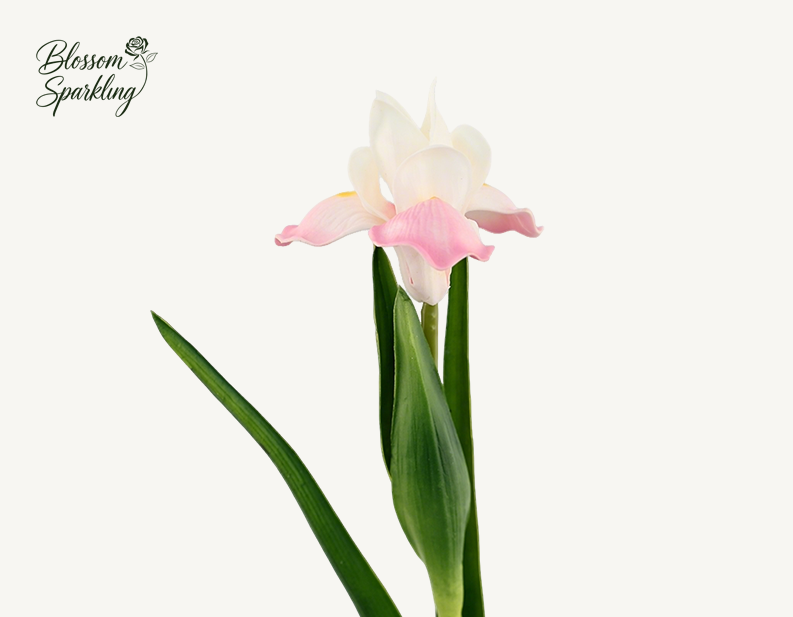
When you work with high-quality alternatives like real touch mini tulips, arranging fake tulips in a box is a lot of fun. These high-quality fake flowers look and feel just like real flowers, but you don't have to take care of them as often. If you choose the right vase, prepare your stems correctly, and follow some basic design rules, you can make beautiful arrangements that can be used for business displays, event decorations, or stores. The wet-touch surface and bendable wire stems of these tulips make them perfect for a wide range of style needs.
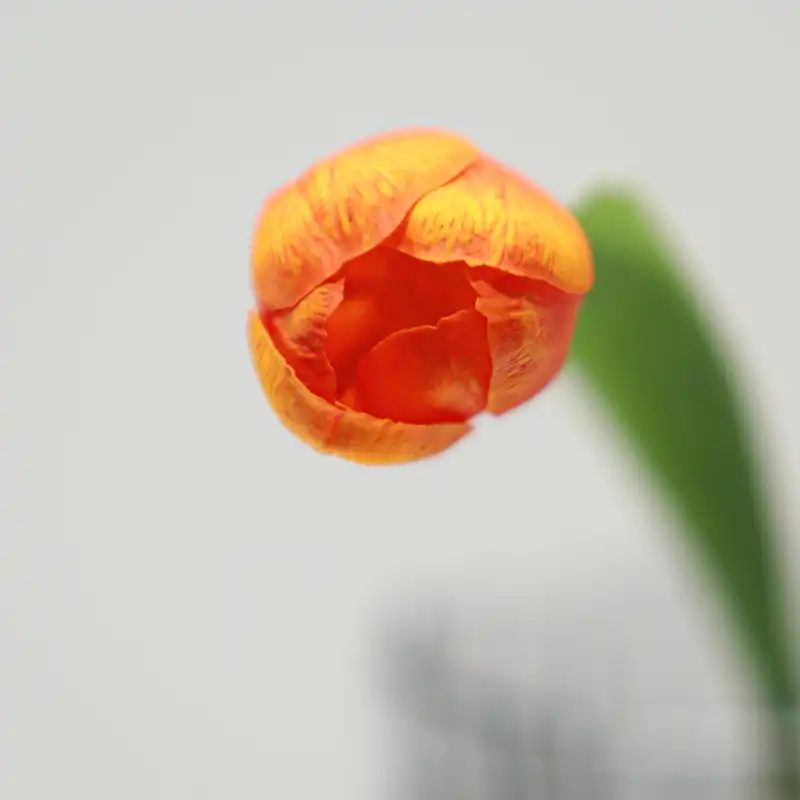
Understanding Real Touch Mini Tulips and Their Advantages
Artificial tulips have come a long way since the stiff plastic ones of the 1970s and 1980s. With today's production methods, it's now possible to make fake flowers that look and feel just like real ones.
What Makes Real Touch Technology Different?
Real touch technology is a big step forward in the process of making fake flowers. The leaves of these flowers are made from high-density polyurethane, which has a special layer on top that makes them look like they are covered in water. They are different from regular silk or synthetic flowers because they have the same velvety feel and cellular moisture as real blooms. In the planning process, plant mapping is done at a 1:1 scale, accurately recording vein patterns, natural shapes, and colour gradients. Because of this care to shape, they look exactly like fresh tulips in most business settings.
Material Composition and Environmental Standards
When buying fake flowers for business use, quality is essential. The eco-friendly polymer materials used in the premium forms meet RoHS, REACH, and BSCI guidelines for the environment. A steel wire core wrapped in PU material is usually used for the building. This gives the structure strength while still letting the shaper be artistic. UV stabilisers are built into the pigment systems to stop photofading. This gives a useful life of about three to five years in indoor settings. These materials are safe, don't smell, and don't contain formaldehyde. This means they can be used in places where air quality is an issue, like hospitals, hotels, and homes.
Color Variations and Commercial Applications
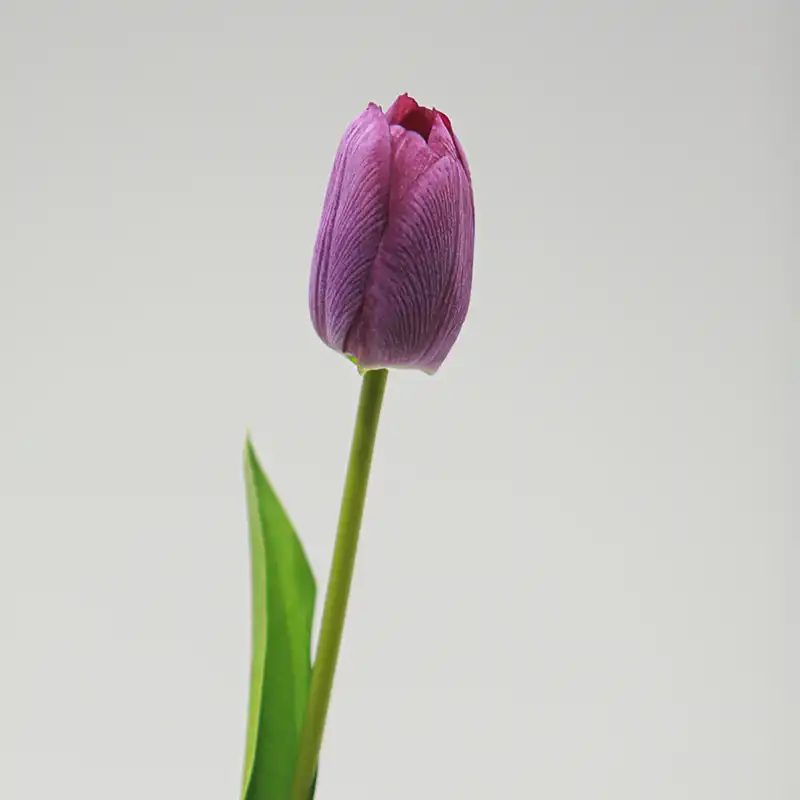
Artificial flowers are more useful in business because they come in a wide variety of colours. Orange varieties show energy and excitement, purple varieties show wealth and class, and light pink varieties show sweetness and romance. Event planners and interior designers can use this colour flexibility to meet brand rules, seasonal themes, or specific client tastes. The layered gradients and high colour saturation keep things interesting from different angles of view. This is especially helpful in big business setups where it's important that all the arrangements look the same.
Step-by-Step Guide to Arranging Artificial Tulips in a Vase
To make arrangements that sound professional, you need to plan them out carefully and pay attention to writing rules. The next method makes sure that the results are the same on all screens.
Selecting the Appropriate Vase
The choice of a vase has a big effect on the final appearance. For proper proportions, the height of the bottle should be about a third to a half of the total length of the stem. Ceramic pots draw attention to the grouping of flowers, while clear glass cylinders show off the whole stem structure. When picking materials, think about where they will be used. For example, glass is a modern and elegant choice for offices, while textured ceramics are better for traditional dining settings. The opening of the vase should be big enough to fit the number of stems you want without pushing them to fit too tightly. For regular arrangements, the number should be between five and nine stems.
Preparing and Shaping Your Tulip Stems
Preparing the stems is the first step in making displays that look natural. Find out how deep your vase is and cut the stems at different lengths to make layers that look 3D. The internal wire core makes exact bending possible, so you can gently curve stems at different angles instead of keeping them straight. This looks like the way fresh roses grow naturally. Some professionals use gentle heat to make the wire more flexible so they can make faster changes in direction, but most of the time, bending the wire by hand is enough. To keep the flowers looking clean, cut off any lower leaves that would be below the waterline if they were fresh.
Creating Depth with Layering Techniques
Professional arrangements show depth deliberately instead of flat consistency. Depending on your display angle, place the taller stems in the middle or back, and the shorter stems outward or forward. Change the bloom heights every two to three inches. This graduated method makes the visuals move and avoids the flat look that often comes from poor arrangements. To make it look like spontaneous growth, slightly rotate the roots so the flowers face different directions. Real touch mini tulips are flexible, so you can adjust the angle of each flower even after you've arranged them. This lets you make changes until you get the best arrangement.
Incorporating Complementary Elements
Filler objects and plants make things look more real and give them more visual depth. When put next to smooth tulip blooms, eucalyptus leaves, fake ferns, or dried moss, add a different texture. Put the grass slightly lower than the smallest tulip stems so it fills in the gaps without taking away from the main flowers. At the base of the vase, decorative elements like river stones, glass beads, or saved branches keep it stable and add to the design. For romantic tablescapes, wedding planners often mix tulips with baby's breath or delicate spray roses. For a more modern look, business settings often use architectural greenery with tulips.

Maintenance and Longevity of Real Touch Mini Tulip Arrangements
When you follow the right care instructions, fake arrangements will look brand new for a lot longer than with just basic maintenance.
Cleaning Methods and Schedule
The biggest problem with maintaining fake flowers is that dust builds up on them. Use a soft-bristle brush or microfibre cloth to gently wipe each petal's surface once a week to remove dust. Deep cleaning once a month can be done with a flowery spray or a wet cloth soaked in a mild soap solution. After cleaning, let the flowers dry naturally out of direct sunlight. The slippery PU surface doesn't let water stick to it, so you can clean it thoroughly without damaging the structure. Don't use strong chemical cleaners on the covering, as they could damage it or change its colour. Hotels and other public places should write down cleaning plans so that all setups look the same.
Environmental Factors Affecting Lifespan
Placement choices have a big effect on life. Even after UV inhibitors treat them, long-term direct sunlight speeds up the breakdown of polymers and the loss of colours. Set up displays in areas with partial natural light or use artificial lighting. Extreme temperature changes can weaken polymers over time, which is why climate-controlled spaces are best. High humidity won't hurt good fake tulips like it would damage paper ones, but keeping the humidity level normal will keep dust from sticking to the flowers. Commercial buyers should inform their clients about these external factors so they can set realistic performance standards based on the installation location.
Recognizing Replacement Indicators
Professional screens need to be updated regularly to meet brand standards. Watch for discolouration that can't be fixed by cleaning, structural weakening that prevents stems from holding their shape, or clear signs of damage to the moisture-simulating coating's surface. Good fake flowers from reputable companies usually look excellent for three to five years before they start to show these signs. Setting up replacement rounds keeps displays looking fresh, which is important for maintaining the high-end look needed in retail and restaurant settings. When buying in bulk, buyers should plan their goods around replacement times to make sure that there are no breaks in service.
Procurement Insights: Sourcing Authentic Real Touch Mini Tulips
Businesses that use fake flowers must make strategic decisions about where to source supplies to ensure good products and customer satisfaction.
Evaluating Manufacturer Credentials
When it comes to customisation options and price, working directly with manufacturers is better than working with middleman providers. Check that the production facilities offered by possible suppliers are actually production facilities and not just trading sites. Check for certificates that say the product meets foreign standards. For European and North American markets, RoHS and REACH compliance is especially important. Production experience that spans decades shows that quality control methods and the supply chain are stable. Ask for proof of stickiness testing, colourfastness testing, and pull-force testing to ensure that strict quality standards are maintained throughout the making process.
Understanding Wholesale Pricing Models
Different sellers of wholesale realistic artificial tulips have completely unique ways of setting up bulk purchases. For smaller bulk orders of wholesale realistic artificial tulips, pricing by the stem is usually best, while pricing by the bouquet or box is more cost-effective for larger orders. As a general rule, there might be 48 stems in the inner box, and 576 stems in the outer case for wholesale realistic artificial tulips. Prices change at these number breaks. Requests for customisation, such as changing the colour, size, or material of wholesale realistic artificial tulips, may affect the minimum order quantity and the price per unit. Transparent suppliers of wholesale realistic artificial tulips provide thorough quotes that break down base costs, customisation fees, and shipping figures. This helps procurement managers make accurate budget predictions.
Logistics and Lead Time Considerations
When you buy things from other countries, you have to carefully plan your shipping and production schedules. Depending on the difficulty of the order and the time of year, standard production for stock items usually takes seven to thirty days. Customised requirements may extend this timeline, especially during busy periods when wedding and event planners place more orders. Established makers keep a lot of stock, often worth millions of dollars, which lets them ship standard goods more quickly. When shipping goods across foreign borders, the integrity of the packaging is crucial. Reliable providers use protective inner packing and reinforced crates to keep the boxes from crushing or deforming. Work with producers who have connections with several freight forwarders. This will help you get the best logistics rates and the most flexible routes.
Integrating Real Touch Mini Tulip Arrangements into Your Business Offering
When you place them correctly, artificial tulips can be used in a wide range of business situations and offer great value.
Industry-Specific Applications
Artificial flowers are used in different fields to improve operations in various ways. The lack of upkeep and consistent look in all areas that guests see are benefits that hospitality sites appreciate. Event planners like that they can make arrangements days in advance and do not have to worry about keeping them cool. Also, because they can be reused, the cost per event is much lower than with fresh flowers. Retail marketers use them in window displays where strong lighting would quickly kill real flowers. They look professional and can be used in meeting rooms and waiting areas in business settings without having to sign long-term contracts with flower delivery services. E-commerce sellers benefit from how well they look in photos and how long they last in shipping, which gets rid of the problems that come with shipping fresh items.
Marketing Authenticity and Quality Assurance
To build client trust, you need to be clear about what the product does. Giving samples that can be touched will help convince people who aren't sure—the wet, stretchy feel of good fake flowers is much more convincing than just words. Write down how you do quality control and share testing methods and certifications you've earned. Compare the two goods and show how the more expensive ones are better in terms of realism, longevity, and colour retention. People who plan weddings like knowing that these tulips can be handled during long event days without dying or getting bruised. Educational material that addresses common concerns, like whether they look clearly fake or how they work in different lighting conditions, clears up any doubts that people may have before they make a decision.
Conclusion
Arranging fake flowers is a good example of combining technical skill with artistic sense. Real touch mini tulips have turned fake flowers from clearly man-made ones into realistic copies of real flowers that can be used in the most demanding business settings. Businesses can offer constant, high-quality decorating options thanks to modern polymer technology, environmental compliance, and the ability to make changes because they work directly with manufacturers. Whether they're used to help plan events, make dining spaces look better, or add to a store's product line, these flowers can be used in many ways and still have the visual effect that customers want.

FAQ
1. How realistic do real-touch mini tulips look compared to fresh flowers?
High-quality versions look a lot like real tulips, with clear vein patterns, natural colour changes, and the three-dimensional structure of petals that look like real flowers. The special layer gives off a slightly cool, damp feeling when touched, which is very similar to the feel of fresh petals. From normal viewing distances in business settings, real-touch mini tulips are almost impossible to tell apart from real flowers. A close look may show that there are no natural flaws, but in professional displays, this usually adds to their charm instead of taking away from it.
2. Can these artificial tulips be used in outdoor or humid environments?
The slippery PU surface doesn't let water stick to it, so it can be used in partly covered outdoor areas or damp rooms inside. They do, however, work best in climate-controlled urban settings. If polymers are exposed to extreme temperatures, direct rain, or strong UV rays for a long time, their elasticity and colour stability will slowly decrease, shortening the three to five years that would normally be expected in ideal circumstances.
3. What cleaning approach works best for maintaining appearance?
Regularly dusting with soft-bristle brushes keeps things from piling up. Cleaning once a month with a flower spray or a damp cloth soaked in mild soap gets rid of deeper dirt without hurting the coating that simulates moisture. Let the flowers dry completely in the air away from heat sources before putting them back on show. Stay away from rough materials or chemicals that could scratch or change the colour of surfaces.
Partner with Blossom Sparkling for Premium Real-Touch Mini Tulip Supply
With over 30 years of experience making fake flowers and plants, Blossom Sparkling have their own factories where they make their products. We are a direct real-touch mini tulip maker, so we are in charge of every step of the process, from choosing the materials to preparing them for export. This way, we can make sure that the quality always meets RoHS, REACH, CE, and BSCI standards. Our cutting-edge REAL TOUCH technology makes fake flowers that look and feel incredibly real, with the wet texture and natural look that picky customers expect. We keep a lot of goods on hand so that orders can be filled quickly. Depending on your customisation needs, production processes can take anywhere from seven to thirty days. You can get exactly what your business needs with our flexible minimum order numbers, full OEM/ODM support, and fully customisable colour, size, and material specs. Contact export@blossomsparkling.com to discuss wholesale pricing, sample requests, or custom development projects. Visit www.artificialflowerplants.com to explore our complete product range and discover how our factory-direct partnership can strengthen your artificial floral offerings.
References
1. Johnson, M. & Chen, L. (2021). Advanced Polymer Applications in Botanical Replication. Industrial Materials Quarterly, 45(3), 127-145.
2. Harrison, P. (2020). Commercial Floral Design: Principles and Practices for Professional Settings. New York: Hospitality Press.
3. Rodriguez, S. (2022). Sustainable Alternatives in Event Planning: Environmental and Economic Analysis. Journal of Event Management, 18(2), 89-103.
4. Thompson, K. & Williams, R. (2019). Material Science in Decorative Manufacturing. Boston: Technical Publishing Group.
5. Anderson, J. (2023). Procurement Strategies for Global Wholesale Buyers. International Trade Review, 31(4), 211-229.
6. Mitchell, D. (2021). Interior Design Applications: Artificial vs. Natural Elements in Commercial Spaces. Design Quarterly, 67(1), 54-72.