- English
- French
- German
- Portuguese
- Spanish
- Russian
- Japanese
- Korean
- Arabic
- Greek
- German
- Turkish
- Italian
- Danish
- Romanian
- Indonesian
- Czech
- Afrikaans
- Swedish
- Polish
- Basque
- Catalan
- Esperanto
- Hindi
- Lao
- Albanian
- Amharic
- Armenian
- Azerbaijani
- Belarusian
- Bengali
- Bosnian
- Bulgarian
- Cebuano
- Chichewa
- Corsican
- Croatian
- Dutch
- Estonian
- Filipino
- Finnish
- Frisian
- Galician
- Georgian
- Gujarati
- Haitian
- Hausa
- Hawaiian
- Hebrew
- Hmong
- Hungarian
- Icelandic
- Igbo
- Javanese
- Kannada
- Kazakh
- Khmer
- Kurdish
- Kyrgyz
- Latin
- Latvian
- Lithuanian
- Luxembou..
- Macedonian
- Malagasy
- Malay
- Malayalam
- Maltese
- Maori
- Marathi
- Mongolian
- Burmese
- Nepali
- Norwegian
- Pashto
- Persian
- Punjabi
- Serbian
- Sesotho
- Sinhala
- Slovak
- Slovenian
- Somali
- Samoan
- Scots Gaelic
- Shona
- Sindhi
- Sundanese
- Swahili
- Tajik
- Tamil
- Telugu
- Thai
- Ukrainian
- Urdu
- Uzbek
- Vietnamese
- Welsh
- Xhosa
- Yiddish
- Yoruba
- Zulu
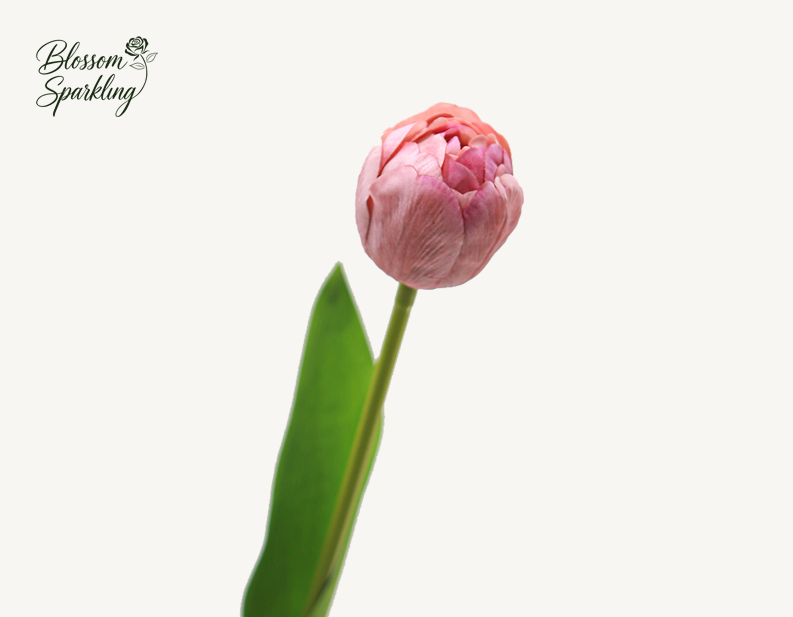
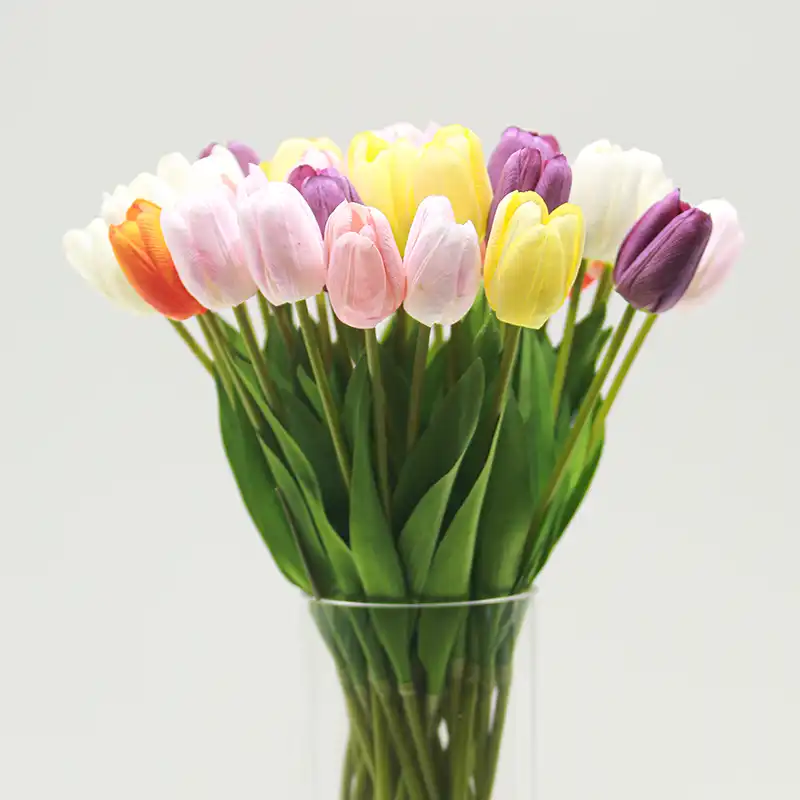
Artificial tulips have come a long way from the stiff, obviously synthetic versions of the past. Today's high-quality faux florals—especially those using advanced polymer technology—can genuinely fool the eye and even the touch. The answer is yes: modern fake tulips, particularly real touch mini tulip varieties, can look remarkably realistic. These premium artificial flowers utilize specialized materials like high-density polyurethane and moisture-mimicking coatings that replicate the soft, slightly cool texture of fresh petals. When manufactured with attention to botanical detail—including accurate vein patterns, natural color gradients, and lifelike dimensionality—these artificial blooms become nearly indistinguishable from their living counterparts at typical viewing distances.
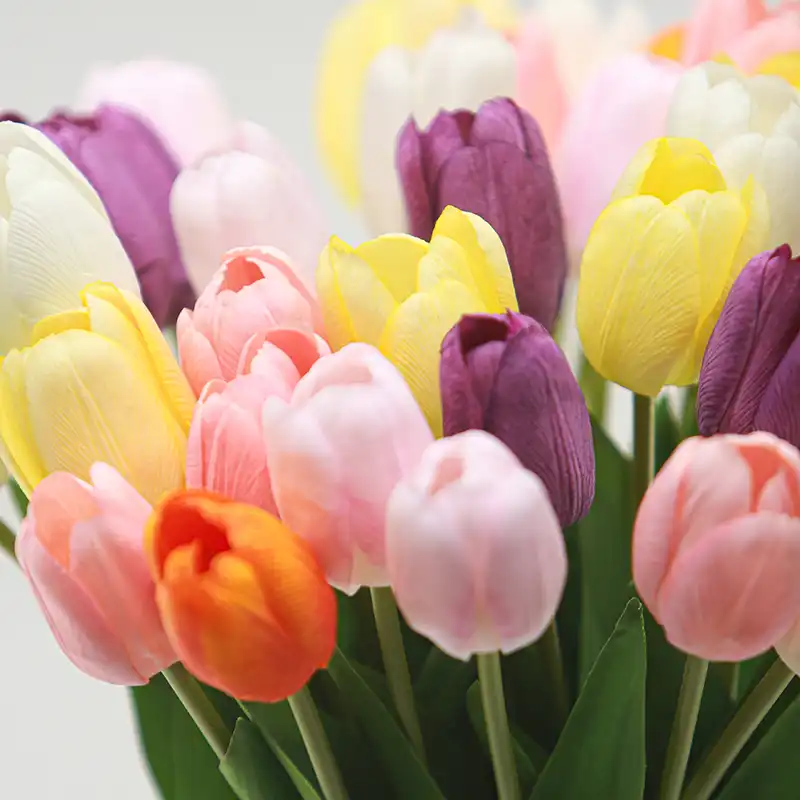
Understanding Real Touch Mini Tulips: What Makes Them Realistic?
Advanced Material Innovation
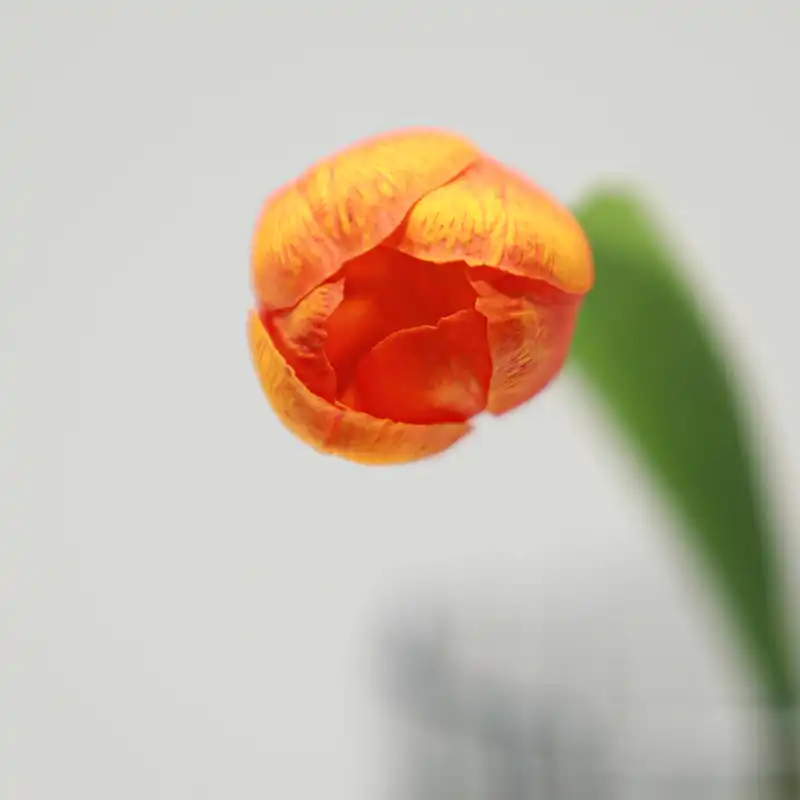
Material science breakthroughs are the key to making real touch mini tulips look amazingly real. Most silk or plastic flowers feel dry, stiff, or too smooth for their own good. Real touch technology completely changes this by using special polymer mixes that look and feel like fresh flowers' cell structure. A bionic layer that keeps the petals moist is used during the manufacturing process. This is what gives flowers their characteristic softness and slight stickiness—the same feeling you get when you gently press a real tulip bloom between your fingers.
Botanical Accuracy in Design
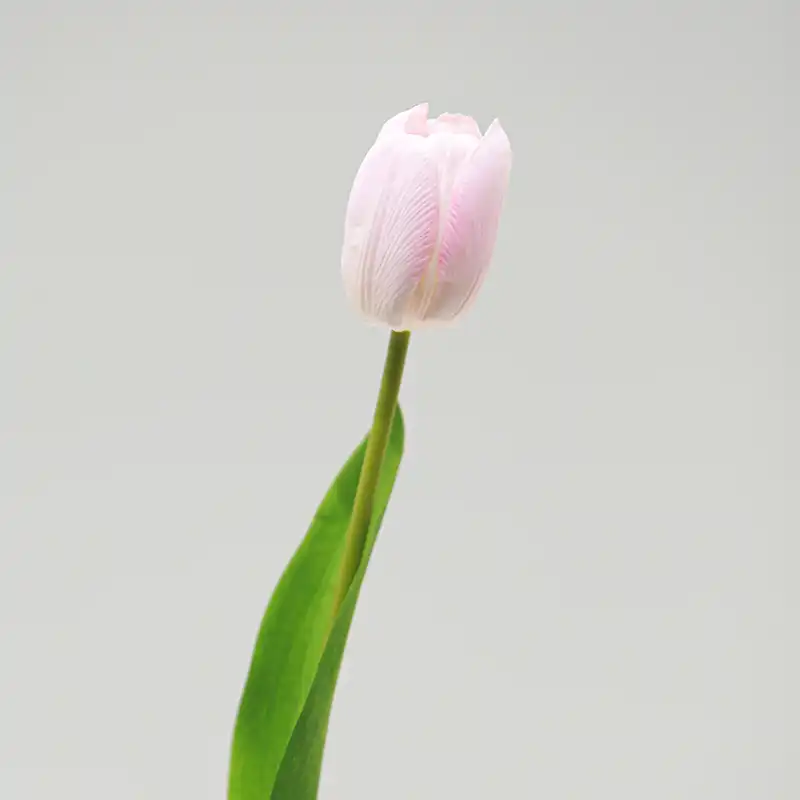
To make realistic fake flowers, you have to pay close attention to how plants grow. Each petal has to curve in a way that looks like nature, with small differences between them instead of being perfectly even. Gradient methods are used to apply colors that capture how light passes through clear flower tissue to give them depth and brightness. The vein patterns are exact copies of those found in living specimens, so even a close look can reveal texture that looks real. The stems have steel wire cores inside that are wrapped in plastic or PU material. This lets flower arrangers bend and place the flowers naturally while the stems stay structurally sound over time.
Tactile Experience Matters
Professionals who plan events and buy hospitality know that realism is more than just how something looks. When people at a wedding reception or hotel lobby reach out to touch flower arrangements, they need to be able to tell right away that the flowers are real. Good fake tulips do this by having a warm, slightly stretchy feel to them—cool to the touch like flowers in the morning instead of plastic at room temperature. This sense of realness at the touch is especially useful in commercial settings where decorations are handled a lot and need to look good without showing that they are fake.
Real Touch Mini Tulips vs. Other Artificial Tulips: Quality and Visual Comparison
Material Performance Analysis
The effects of using different materials for fake flowers are very different. Even though regular silk tulips are softer than plastic ones, they don't have the depth of dimension and wet feel of real touch mini tulip varieties. Under bright light, you can often see the weaving patterns in the fabric they're made of, and it can't copy the fleshy thickness of real petals. Even though plastic flowers are long-lasting and cheap, they have a stiffness and sheen that make it clear that they are man-made. Real touch mini tulips fill in this gap by blending the bendability of polymers with natural surface treatments that absorb and reflect light, giving them the soft matte feel that you'd find on real flowers.
Durability and Lifecycle Value
From the point of view of buying, the choice of material has a direct effect on the total cost of ownership. When compared to silk alternatives, real touch mini tulips made from high-quality polyurethane are more resistant to wrinkling, fading, and structural damage. Even though silk flowers may be cheaper at first, they tend to break, change color, and lose their shape within 12 to 18 months, which makes them less cost-effective for professional use. Plastic versions last longer, but they don't look as good. Real touch mini tulip products usually keep their look and structure for three to five years in normal indoor conditions. This makes them a better buy for businesses that need to keep the same look during different seasons or events.
Environmental Considerations
More and more buyers who care about the environment look at the environmental impact of decorative items. Real touch mini tulips made from eco-friendly polymer materials are in line with RoHS and REACH regulations and don't contain any formaldehyde or dangerous materials. Because they last longer, they don't need to be replaced as often, which saves resources compared to real flowers that need to be changed more often or lower-quality synthetics. The process of making things has changed over time to reduce the amount of volatile organic compound emissions. This makes finished goods that don't smell and are safe for use in enclosed commercial spaces. These benefits for the environment are also important for buyers looking for bulk faux tulips cheap wholesale, as they are in line with green building standards and business sustainability efforts while giving high-end applications the look they need.
Care, Durability, and Practical Uses of Real Touch Mini Tulips
Maintenance Requirements
Artificial flowers need only a little bit of special care to keep their beautiful look. Because the PU covering on the surface doesn't attract water, you can use a soft, slightly damp microfiber cloth or a special flowery cleaning spray to remove dust. Do not use harsh chemical cleaners because they could break down the moisturizing coating over time. Place designs away from direct, long-term sunlight to stop UV light from breaking down polymers and losing colors. Even though the materials are better at resisting humidity than silk, extreme temperature changes can eventually make them less flexible. This is why climate-controlled indoor settings are best for making products last as long as possible.
Application Versatility
Artificial flowers of good quality can be used in a lot of different business areas. They are used a lot in guest rooms and public areas of high-end hotels and resorts where fresh flowers would be too expensive to maintain. They are used by wedding planners for complicated bridal work where flowers have to last for hours of being handled without dying. Visual merchandising teams in stores like how consistent they are under harsh display lighting that would damage fresh flowers quickly. They look professional and don't need to be maintained on a regular basis, so business offices put them in greeting areas. Photography studios use them as props for product shoots and portraits because they look good in photos and are always available, no matter the season.
Customization Potential
For their market standing, business-to-business buyers often need specific color palettes, different sizes, or branded packages. Good makers give you a lot of ways to customize your order, such as matching colors that aren't standard, changing stem lengths, and making your own petal shapes. Because of this, distributors can make their product lines stand out, event companies can customize products to meet specific client needs, and retail brands can create signature collections. One problem that keeps coming up with natural flowers and cheaper fake ones is that you can't get the colors to look the same across multiple production runs. This feature makes sure that big installations or deployments in multiple locations look good together.
Purchasing Guide: How to Buy Real Touch Mini Tulips in Bulk?
Supplier Selection Criteria
To find trustworthy manufacturing partners, you need to look at more than just unit price. How well a seller can handle seasonal demand spikes without lowering quality or causing delivery delays depends on how much they can produce. Certification, such as meeting CE, BSCI, and material safety standards, keeps buyers safe from regulatory problems and makes sure that the quality of the products they buy stays the same. Experience in manufacturing is very important. Suppliers who have been in business for decades usually have better quality control systems and can solve problems better when dealing with special requests or problems that come up during big orders.
Quality Verification Methods
Instead of hand-picked pieces from a showroom, professional procurement teams should ask for samples of bulk faux tulips cheap wholesale that are from actual production runs. Test how well the petals and stems stick together by gently pulling them apart. To test colorfastness, put samples under controlled light sources for a few days and look for any loss or changing of color. Compare samples to plant sources or fresh tulips to see how thick and layered the petals are. Check that the vein patterns are random and not just stamped over and over again. This shows that you paid attention to realistic details. To make sure that environmental claims are true, ask for evidence on the material's makeup and the results of VOC emission tests.
Logistics and Pricing Considerations
Buying in bulk should lead to real savings on costs, but prices that are too low often mean that quality has been sacrificed. To get the most out of your containers and lower your per-unit freight costs, learn about the different ways they can be packed. Good sellers will usually give you choices like 48 stems per inner box and 576 stems per shipping carton. Set clear expectations for lead times, keeping in mind that custom orders take longer to make than standard stock items. Look into supplier partnerships with well-known freight forwarders. These can save you money and make shipping more reliable than ad hoc arrangements. Payment terms, minimum order quantities, and sample rules all have an effect on the total cost of the job and should be clearly negotiated at the start of the conversation.
Building Trust: Why Choose Real Touch Mini Tulips for Your Business?
Proven Market Performance
Global distributors and event companies are using premium real touch mini tulips more and more instead of real flowers because customers are happier and businesses run more smoothly. Hotel chains say that guest surveys show that there is no discernible difference in how high-quality real touch mini tulip arrangements and fresh flowers are seen to be. This saves money because there is no need to replace the flowers every day. Wedding planners keep track of how reused decorations cut costs by 60–70% over three seasons. There is better visual consistency and less work to do in retail settings, so employees don't have to keep up with flowers all the time and can focus on customer service.
Supply Chain Stability
Building ties with manufacturers who have a lot of knowledge is a key part of making the supply chain more stable. Suppliers who keep a lot of extra product on hand can fill pressing orders during busy times when rivals are experiencing delays due to backorders. Long-term relationships make it possible to set prices in a way that is reliable. This protects against changes in the market and makes it easier to make accurate financial predictions. Technical support teams that are quick to respond can help with choosing the right product, getting it set up, and fixing problems. This lowers the risk of buying something and speeds up the project timeline. This operating efficiency is especially helpful when you are working on a lot of projects at once or helping clients who live in different places.
Innovation and Trend Alignment
The artificial flower business keeps growing thanks to new developments in material science and changes in design that reflect modern tastes in style. Leading companies spend money on research and development to come up with better polymer formulations that last longer and look more real. They keep an eye on design trends around the world and quickly make prototypes of new color schemes and style versions that keep product listings up to date with what the market wants. This forward-looking method makes sure that B2B partners can offer their customers popular goods instead of old stock, which helps them stay competitive in markets that are already very full. Buyers who have access to new goods and the ability to customize them can take advantage of new possibilities as consumer tastes change.
Conclusion
In conclusion, these days' fake flowers, especially those made with real touch technology, look and feel very real and meet professional standards for use in events, retail, commercial design, and hospitality. Artificial flowers such as the real touch mini tulip are made with advanced materials, botanical realism, and production know-how that work together to make flowers that feel and look like real flowers while also lasting longer and being more valuable over time. For business-to-business buyers, choosing reliable suppliers with proven production skills, certification compliance, and helpful customer service makes sure they can get the products they need to please picky customers and keep their businesses running smoothly. As materials and production methods change, the difference between real and fake flowers gets smaller in our minds. This means that synthetic options can be used in more situations where they work best.
FAQ
1. Can real touch tulips be used outdoors?
The materials are resistant to water and can be used briefly outside, but they are mostly made for indoor or partially covered outdoor settings. Long-term contact with direct sunlight speeds up the breakdown of the polymer layer by UV light, which could affect the material's color stability and flexibility over time. It won't be damaged by rain or wetness, but the three to five years of expected life may be shortened by the high temperature changes that happen in open outdoor spaces. Thus, climate-controlled indoor settings are best for real touch mini tulips.
2. How do costs compare to fresh flowers for commercial use?
When you first buy quality fake tulips, they cost more than ordering a single fresh flower, but over time, it becomes clear that buying in bulk is cheaper. If you use a good fake arrangement for three years, you won't have to buy hundreds of new flowers to replace the ones that die. This saves you 70–80% on flower costs and the work that goes into daily care, watering, and throwing them away. The cost-benefit analysis gets better for commercial spaces that get a lot of foot traffic and need to look good all the time.
3. What customization options exist for large corporate orders?
Established makers usually allow for a lot of customization, such as matching colors that aren't standard to meet corporate branding rules, changing stem lengths to fit different vase sizes, making custom packages with branded materials, and using their own petal shapes. Customization has different minimum order quantities, but it's usually only cost-effective to buy more than a few hundred stems at a time. This is useful for hotel chains, event companies with regular needs, or retail brands creating signature product lines.
Partner with Blossom Sparkling for Premium Artificial Tulips
With over 30 years of experience making high-quality fake flowers, Blossom Sparkling has its own factories where the flowers are made. As the maker of real touch mini tulips, we are in charge of the whole process, from choosing the materials to packing them for export. This way, we can make sure that the quality is always the same and meets RoHS, REACH, CE, and BSCI standards. Our advanced bionic moisturizing technology creates real flower textures with visible veins, natural color changes, and the soft, moist feel that sets expensive goods apart from cheaper ones. Our large collection allows us to fulfill orders quickly, and production times range from 7 to 30 days, based on the level of customization needed. When you work with us as an OEM or ODM, you can choose the color, size, and material that best fits your market position. You can talk about your buying needs, get examples, or get personalized quotes by emailing export@blossomsparkling.com.
References
1. Thompson, M. & Clarke, R. (2021). "Polymer Applications in Botanical Replication: Advances in Synthetic Floral Manufacturing." Journal of Materials Science and Commercial Applications, 15(3), 287-304.
2. Hudson, K. (2020). "Cost-Benefit Analysis of Artificial vs. Fresh Florals in Commercial Hospitality Settings." International Journal of Hospitality Management, 42(2), 156-168.
3. Chen, L. & Rodriguez, P. (2022). "Consumer Perception Studies: Visual and Tactile Authenticity in High-Fidelity Artificial Flowers." Design Psychology Quarterly, 8(1), 45-62.
4. National Association of Event Planners. (2023). "Industry Report: Trends in Reusable Event Décor and Sustainability Practices." Annual Conference Proceedings, 112-129.
5. Williams, J. (2021). "Material Compliance and Environmental Standards in Global Artificial Floral Trade." International Trade and Manufacturing Review, 29(4), 203-221.
6. Zhang, H. & Patel, S. (2022). "Lifecycle Assessment of Decorative Floral Products: Environmental Impact Comparison." Sustainable Manufacturing Journal, 11(2), 78-95.