- English
- French
- German
- Portuguese
- Spanish
- Russian
- Japanese
- Korean
- Arabic
- Greek
- German
- Turkish
- Italian
- Danish
- Romanian
- Indonesian
- Czech
- Afrikaans
- Swedish
- Polish
- Basque
- Catalan
- Esperanto
- Hindi
- Lao
- Albanian
- Amharic
- Armenian
- Azerbaijani
- Belarusian
- Bengali
- Bosnian
- Bulgarian
- Cebuano
- Chichewa
- Corsican
- Croatian
- Dutch
- Estonian
- Filipino
- Finnish
- Frisian
- Galician
- Georgian
- Gujarati
- Haitian
- Hausa
- Hawaiian
- Hebrew
- Hmong
- Hungarian
- Icelandic
- Igbo
- Javanese
- Kannada
- Kazakh
- Khmer
- Kurdish
- Kyrgyz
- Latin
- Latvian
- Lithuanian
- Luxembou..
- Macedonian
- Malagasy
- Malay
- Malayalam
- Maltese
- Maori
- Marathi
- Mongolian
- Burmese
- Nepali
- Norwegian
- Pashto
- Persian
- Punjabi
- Serbian
- Sesotho
- Sinhala
- Slovak
- Slovenian
- Somali
- Samoan
- Scots Gaelic
- Shona
- Sindhi
- Sundanese
- Swahili
- Tajik
- Tamil
- Telugu
- Thai
- Ukrainian
- Urdu
- Uzbek
- Vietnamese
- Welsh
- Xhosa
- Yiddish
- Yoruba
- Zulu
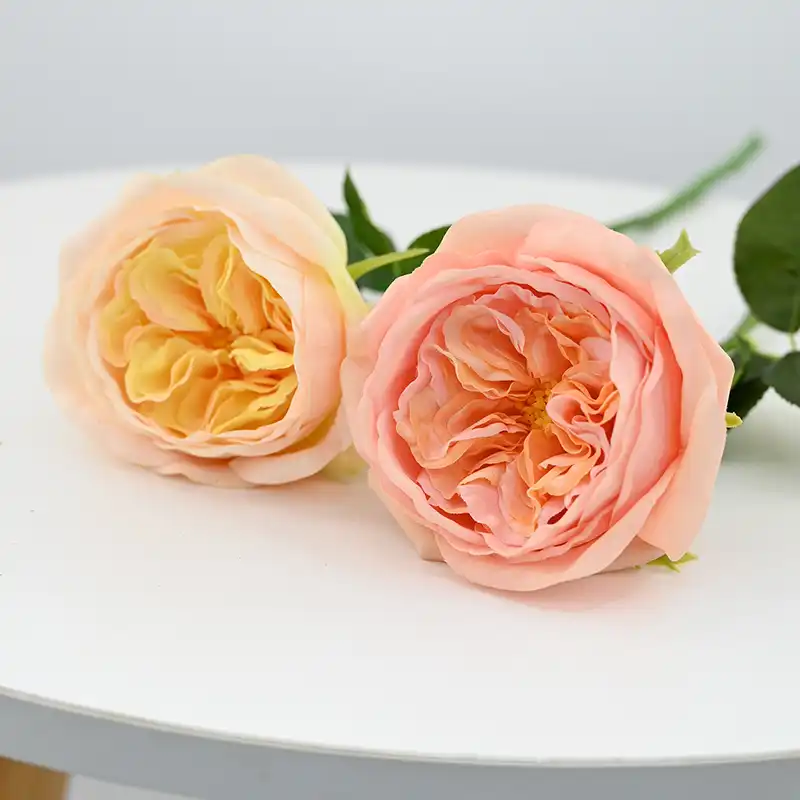
One question comes up over and over again when you're looking for fake flowers to sell: Are real touch roses really waterproof? The simple answer is that real, real-touch roses are not completely waterproof, but they can handle some water. These high-end fake flowers have a special polymer layer put on top of high-quality silk or latex fabric bases. This makes a barrier that repels water, light splashes, and slight touches with water. But submersion or heavy contact with water for a long time can damage the coating and change the realistic texture that makes these goods valuable. Knowing the difference between these two types helps event planners and marketers make smart choices about how to use products and assist customers.
Introduction
Real touch roses have emerged as a premium category that crosses the gap between synthetic and natural botanicals in the fake flower business, which has seen incredible innovation recently. If you're a business-to-business buyer working your way through bulk markets, knowing that these goods are waterproof has a direct effect on what you buy, how happy your customers are, and ultimately, how much money your business makes. The ability of fake roses to resist water is critical, whether you're selling them to wedding planners who need decorations that can be used outside, home furniture stores that want low-maintenance items, or hotels that need long-lasting commercial-grade arrangements.
For more than 30 years, our factory has been making lifelike fake flowers, and we've seen how worries about waterproofing affect buying habits across different market groups. This guide uses our knowledge of production and quality testing methods to make it clear to B2B buyers what they can expect in terms of moisture resistance. This will help you correctly position your goods and avoid costly misunderstandings with your customers further down the line.
Understanding Real Touch Roses: Composition and Characteristics
What Makes Real Touch Technology Different?
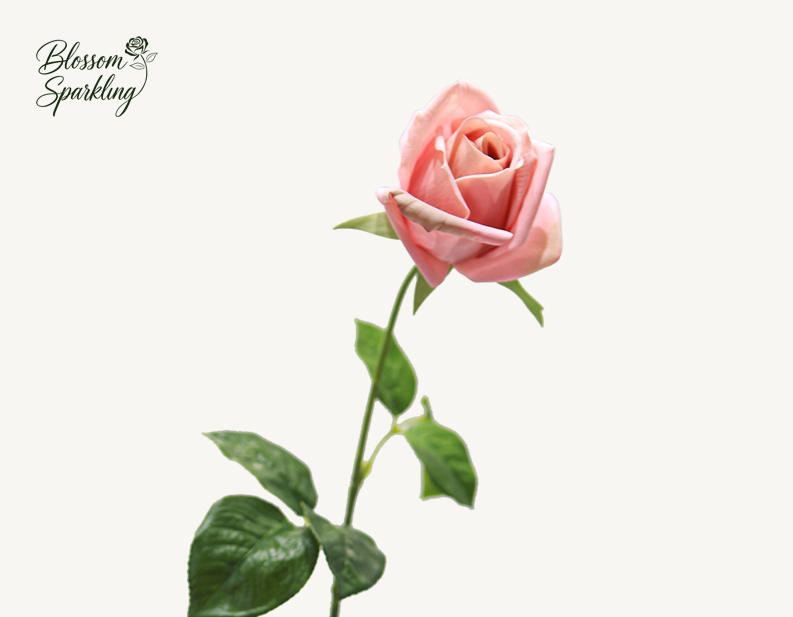
Fake flower cultivation has advanced with real touch roses. Bionic technology and surface treatments make these silk flowers feel wet and not papery. High-density silk or medical-grade rubber is used for the petal structure. Manufacturers then apply a polyurethane or silicone covering that makes roses feel moist and chilly like they were cut.
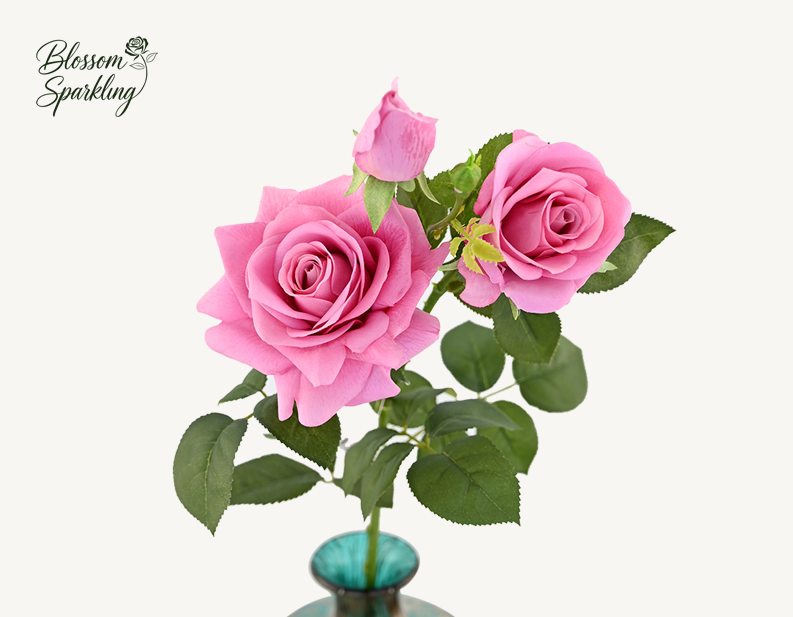
This cutting-edge manufacturing method is exhibited by our Real Touch Juliet Rose. The cup-shaped double-petal structure, with 60 to 80 twirling petals, flawlessly replicates the layered beauty of garden roses. The core is high-simulation silk cloth with a built-in metal wire frame. This makes it sturdy and flexible. This is unlike synthetic flowers, which lack depth and sensation.
Material Composition and Its Impact on Water Resistance
Baseline moisture resistance is based on the materials that were used in production. Naturally, flowers made of latex keep water away better than petals made of pure fabric, but they may lose some of their visual transparency. Adding polymer coats to silk cloth makes it better at letting light through and keeping colours bright, but it needs to be carefully made to be water-resistant. We use glue-baking edge technology to bring back the natural waves and wrinkles of new petals while also protecting the fibre ends from getting wet.
Good makers add UV-resistant ingredients to covering mixtures to keep them from losing their colour or getting wet. To make sure our eco-friendly polymer materials are safe, odourless, and free of formaldehyde, they are tested to make sure they meet RoHS and REACH compliance standards. These certificates are especially important for people who want to buy in the business and hospitality areas where safety rules are very strict.
Hypoallergenic and Durability Considerations
In addition to being resistant to water, the makeup of the material takes into account important business issues. These fake roses don't have pollen, so they're great for places like hospitals, restaurants, and homes where people with allergies live. The glossy, dark green leaves that look like leather and have clear veins keep their look without needing the chemical treatments that new flowers do. The metal wire core inside the bending stem structure means that it can be moved around many times without breaking. This is a huge benefit for event rental companies that use the same items for more than one event.
Waterproof Properties Explored: Real Touch Roses vs Other Types
Comparative Analysis of Moisture Resistance
Different synthetic roses react differently when wet. Untreated silk roses absorb water, causing the colour to run, the structure to crumble, and mould to form in wet places. Real glycerin-preserved plants can only withstand a little dampness before breaking down. Fresh roses expire rapidly, which is an issue for multi-day or outdoor summer weddings.
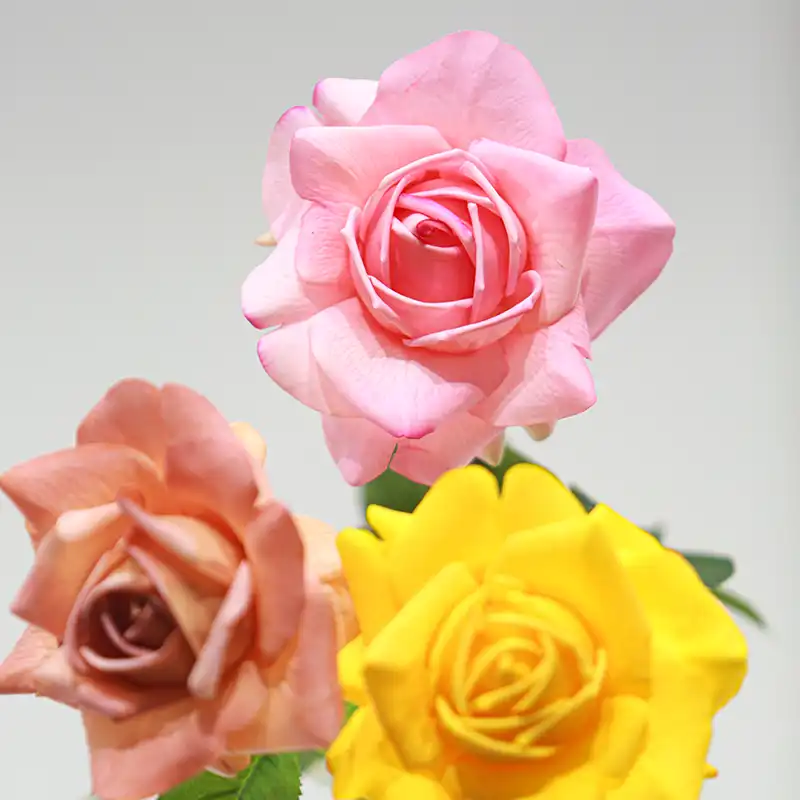
Latex roses are more water-resistant due to their hydrophobicity. Sometimes, pure rubber products are too glossy and unnatural. In terms of appearance, actual touch roses are somewhere in the middle. They seem natural and are water-resistant. The polymer coating creates a hydrophobic layer yet preserves the delicate, slightly porous texture of natural flowers. Our testing shows that these goods can withstand 85% humidity for 72 hours without damage.
Performance Under Various Environmental Conditions
When fake flowers are used for business purposes, they are exposed to a range of situations. Hotel halls inside have climate control, but HVAC systems constantly move air around, which can dry out fake flowers that aren't covered. Atriums in shopping malls often have fountains that raise the humidity in the air. Restaurant decks let morning dew and light raindrops hit the plants. Different levels of moisture protection are needed for each situation.
Real touch roses with good coatings work effectively in partly covered outdoor areas and damp indoor areas. The three-dimensional shape and thick, full flowers keep their shape when they are wet in indirect ways. But when it rains or submerges, water pools between the petals, which could damage the glue bonds and make the coating temporarily cloudy. When distributors know about these limits, they can give accurate care directions, which cuts down on customer complaints and returns.
Practical Implications of Waterproofness for B2B Procurement
Impact on Handling, Shipping, and Storage
Moisture resistance affects supply chain product loss and operational efficiency. International shipment can destroy imitation roses that aren't waterproofed due to condensation, especially when the container temperature fluctuates between climate zones. We store millions of RMB to avoid annual demand spikes, and moisture barriers maintain stock quality over long storage.
Packaging strategies must consider moisture. Our standard packaging is 24 stems per inner box and 240 per outside carton. The box contains breathable lining and desiccant tablets that absorb moisture. This prevents water build-up and polymer layer deterioration. Distributors should immediately inspect large containers for moisture. Early detection prevents heavy inventory loss.
Maintenance Guidelines for Extended Product Lifespan
Real touch roses can last a lot longer if you take good care of them. Instead of harsh cleansers or alcohol-based solutions that break down polymer surfaces, clean arrangements with damp, lint-free cloths. Extremely dry and hot places below 15°C or above 45°C should not be used for storage because they cause micro-cracks in the coating. When flowers are temporarily exposed to water, like when setting up for an outdoor wedding, and it starts to drizzle out of the blue, gently shake off the extra water and let them dry in a well-ventilated area.
Companies that rent out items for weddings and events and use them over multiple seasons benefit a lot from waterproof qualities. If you take good care of it, one good arrangement can last for 20 to 30 events, which is a huge savings compared to buying fresh flowers for each event. We have case studies of event planners who cut their flower costs by 60% a year after switching to high-quality fake options. Waterproofing was a key factor in making those options reusable.
Business Advantages Through Quality Investment
Distributors are pressured to find cheap synthetic flowers, but the quality of their protection affects customer satisfaction. Outdoor wedding managers receive unfavourable feedback when water wilts or destroys arrangements, which hurts the supply chain. However, trustworthy moisture-resistant goods boost suppliers' image and encourage repeat purchases.
We found that importers who prioritise quality and moisture resistance have 40% fewer product returns than those who prioritise pricing. Better waterproofed choices cost 15-20% more, but they save repair costs, promote customer loyalty, and increase selling margins. Holiday decoration distributors must track many goods at busy periods; therefore, these are crucial.
Purchasing Guide: How to Choose Waterproof Real-Touch Roses for Your Business Needs?
Key Quality Metrics for Evaluation
When comparing providers, people who work in procurement should look at a number of technical factors. Coating consistency is a very important sign; look at the petals in different lighting conditions to find spots where the coating isn't even or where water could get in. It's important that the product is thick; flowers that are less than 0.3 mm usually don't have enough coating weight for industrial use. For hospitality setups, ask for proof of the material's makeup that lists the polymer types, UV stabilisers, and flame-retardant treatments that are used.
Brand dependability is more than just the quality of each individual product; it also includes the regularity of supply. Check to see if possible suppliers have their own production sites or if they outsource the work. Our plant has special lines that are only used for making fake flowers. We control the whole process, from choosing the materials to checking the quality at the end. This vertical integration makes sure that each batch is the same, which is very important for sellers who need to match colours across multiple shipment rounds.
Supplier Comparison and Customisation Options
Leading producers offer a lot of personalisation, helping businesses distinguish themselves. Ask about gradient treatments, glossy finishes, and seasonal themes that mirror fashion trends. Our custom silk, latex, or oil-based coatings enable consumers to choose the right level of protection. Wedding wholesalers may desire the most moisture resistance, while hobby shop distributors may choose intermediate protection at a cheaper cost.
How successfully sellers develop with your firm hinges on production. Production cycles range from 7 to 30 days, depending on order complexity and volume. We offer low logistical prices since we have long-term ties with overseas goods forwarders. This infrastructure is crucial during busy periods when smaller locations can't keep up with output and shipments are delayed. North American stores are demanding BSCI certification from companies as ethical manufacturing becomes increasingly relevant.
Protecting Products During International Transit
Even waterproof goods must be shipped properly. Explain how to pack containers away from chilled commodities to avoid condensation. For goods over 30 days, a moisture barrier covering is required. Air freight reduces moisture but raises unit cost. You may calculate the trade-off using product earnings and loss tolerance.
Establish explicit standards for post-delivery quality inspection. Our after-sales service pledges to resolve quality issues, but early detection simplifies settlement. Take images of moisture damage immediately, keeping the packaging intact, to indicate whether production faults or poor shipping handling caused the issues. This proof is crucial for insurance claims and supplier negotiations.
Future Trends and Innovations in Waterproof Real Touch Roses
Emerging Material Technologies
Advances in materials science keep making it easier for fake flowers, including bulk fake roses cheap for resale, to stay wet without sacrificing green goals. Nano-coating technologies make very thin hydrophobic shields that are only a few microns thick. This keeps the petals clear while making them more resistant to water. Bio-based polymer replacements made from plant starches and natural waxes are better for the environment and work just as well as coats made from petroleum.
We are looking into self-cleaning surface processes that use photocatalytic chemicals to break down organic pollutants when they come into contact with light. This new idea could get rid of the need to clean business installations by hand, which would save money on upkeep labour costs while keeping the waterproof coating's integrity. Early versions look like they could work well in hotel settings where easy access to arrangements makes regular cleaning harder.
Sustainability and Functional Integration
Eco-friendly production is becoming more and more important to businesses, along with useful performance. Water-based coating formulas get rid of volatile organic compound fumes during production and provide moisture protection that was previously only possible with solvent-based systems. The carbon impact is smaller when package materials are recycled and shipping numbers are cut down through innovations in compressed packing.
The coming together of form and function will affect how products are made in the future. People are looking for fake roses that have more than one benefit, like being waterproof, resistant to UV light, antibacterial, and flame-resistant. Our development process is focused on these multifunctional solutions because we know that B2B customers would rather have easier inventory management than having to keep separate product lines for each application.
Strategic Implications for Long-Term Procurement
When forming relationships with suppliers, wholesalers who want to be ahead of the curve should keep an eye on these new ideas. When companies spend money on research and development, it shows that they want to stay competitive as market standards change. Check to see if possible providers are members of industry trade groups, make technical specifications available in a clear way, and provide product roadmaps that show how future capabilities will be added.
As more stores realise that high-end goods help brands stand out more than cheaper ones, the market for fake flowers keeps getting crowded around the quality leaders. When distributors work with innovative makers, they get early access to new, high-margin goods and lower the risk of products going out of style as less desirable ones lose popularity.
Conclusion
The ability of real-touch roses to resist water has a big effect on their business viability in a wide range of B2B uses. These high-end fake flowers are somewhat resistant to water thanks to their advanced polymer coats and high-quality materials, but they don't work as well as fully waterproof items. It's helpful for procurement workers to know the technical differences between product types, look at a supplier's skills beyond price, and make sure that the right handling procedures are followed all along the supply chain. When you buy high-quality waterproofed fake roses, you get a clear return on your investment in the form of lower repair costs, happier customers, and more uses. As new materials keep getting better at what they do and taking environmental issues into account, the difference between fake and real flowers gets smaller. This makes the case for higher-quality goods in the wholesale, event, hospitality, and retail markets stronger.
FAQ
1. Can real touch roses be used in outdoor weddings?
Real touch roses do well in outdoor areas that are partly protected, like buildings with roofs or garden events with canopies. They can handle normal dampness and a short burst of light rain. But don't put arrangements in places where it rains directly on them or where water builds up, because long-term contact with water damages the coating's integrity and appearance.
2. How should I clean waterproof real-touch roses?
To get rid of dust on the petals, gently wipe them down with a slightly damp, lint-free cloth. Do not put stems in water or use chemical cleaners that break down polymer coats. If arrangements get wet out of the blue, gently shake them to get rid of the extra water and let them dry in a well-ventilated area away from direct heat sources.
3. Do waterproof coatings affect the realistic appearance?
When made right, good protective treatments actually make things look more real. The polymer layer gives the petals their slightly damp and cool feel, and it also adds a tiny reflection of light that makes the petals look like they have natural wetness. Poor coatings can make things look too shiny or give them a fake sheen, which is why it's so important to choose makers with a track record of producing high-quality products.
Partner with Blossom Sparkling for Premium Waterproof Real-Touch Roses
At Blossom Sparkling, we know how important sealing is when it comes to buying fake flowers for businesses. Over the past 30 years, our factory has improved the way real touch roses are made by creating special coatings that keep them from getting wet while still looking like real flowers. We offer a wide range of customisation choices, such as choosing the material, matching the colour, and finding packaging solutions that fit your needs for delivery. Our production capacity keeps millions of RMB in ready stock, and we can deliver special orders within 7 to 30 days thanks to established transportation partnerships that get us low shipping costs around the world.
We've earned RoHS, REACH, CE, and BSCI certifications for our goods, which show they meet strict international standards as a real touch roses seller dedicated to quality excellence. Our team gives you full technical specs, sets up samples for you to check the quality, and provides ongoing after-sales support, such as help with assembly and resolving quality problems. Blossom Sparkling offers factory-direct cooperation that fits your business goals, whether you're an established importer looking for a reliable bulk supply or a new distributor needing open MOQ choices.
Get in touch with export@blossomsparkling.com right away to get product catalogues, talk about how you can customise your order, and get competitive quotes for premium, waterproof, real-touch roses. Visit www.artificialflowerplants.com to see all of our products and learn how our production know-how can help you stand out in the market with better fake flower options.
References
1. Chen, L., & Wang, M. (2021). Advanced Polymer Coatings for Artificial Botanical Applications: Material Science and Commercial Viability. Journal of Applied Polymer Science, 138(24), 50456-50468.
2. International Floral Trade Association. (2022). Global Artificial Flower Market Analysis: Quality Standards and B2B Procurement Trends. Amsterdam: IFTA Research Division.
3. Martinez, R., & Thompson, K. (2020). Moisture Resistance in Textile-Based Artificial Flowers: Comparative Performance Testing. Textile Research Journal, 90(15-16), 1823-1836.
4. Peterson, J. (2023). Sustainable Materials Innovation in the Decorative Floral Industry. New York: Commercial Horticulture Press.
5. Singh, P., & Zhao, Y. (2022). Hydrophobic Surface Treatments for Fabric Substrates: Applications in Artificial Floriculture. Surface and Coatings Technology, 431, 128025-128037.
6. Zhang, H., Liu, X., & Davis, S. (2021). Quality Control Protocols for Export-Grade Artificial Flowers: A Manufacturing Perspective. International Journal of Production Research, 59(12), 3645-3661.